
Are you trying to decide between hardwired and plug-in electric baseboard heaters for your home? Choosing the right type can affect your comfort, safety, and energy bills.
You want a heater that’s reliable, easy to use, and fits your space perfectly. But which one truly delivers the best performance? You’ll discover the key differences between hardwired and plug-in baseboard heaters. By the end, you’ll know exactly which option suits your needs and how to get the most out of your heating system.
Keep reading to make a smart, confident choice for your home comfort.
Types Of Electric Baseboard Heaters
Electric baseboard heaters come in two main types. Each type has unique features and uses. Understanding these types helps you pick the right heater for your space.
Both hardwired and plug-in heaters provide efficient warmth. The choice depends on your needs and installation preferences.
Hardwired Heaters
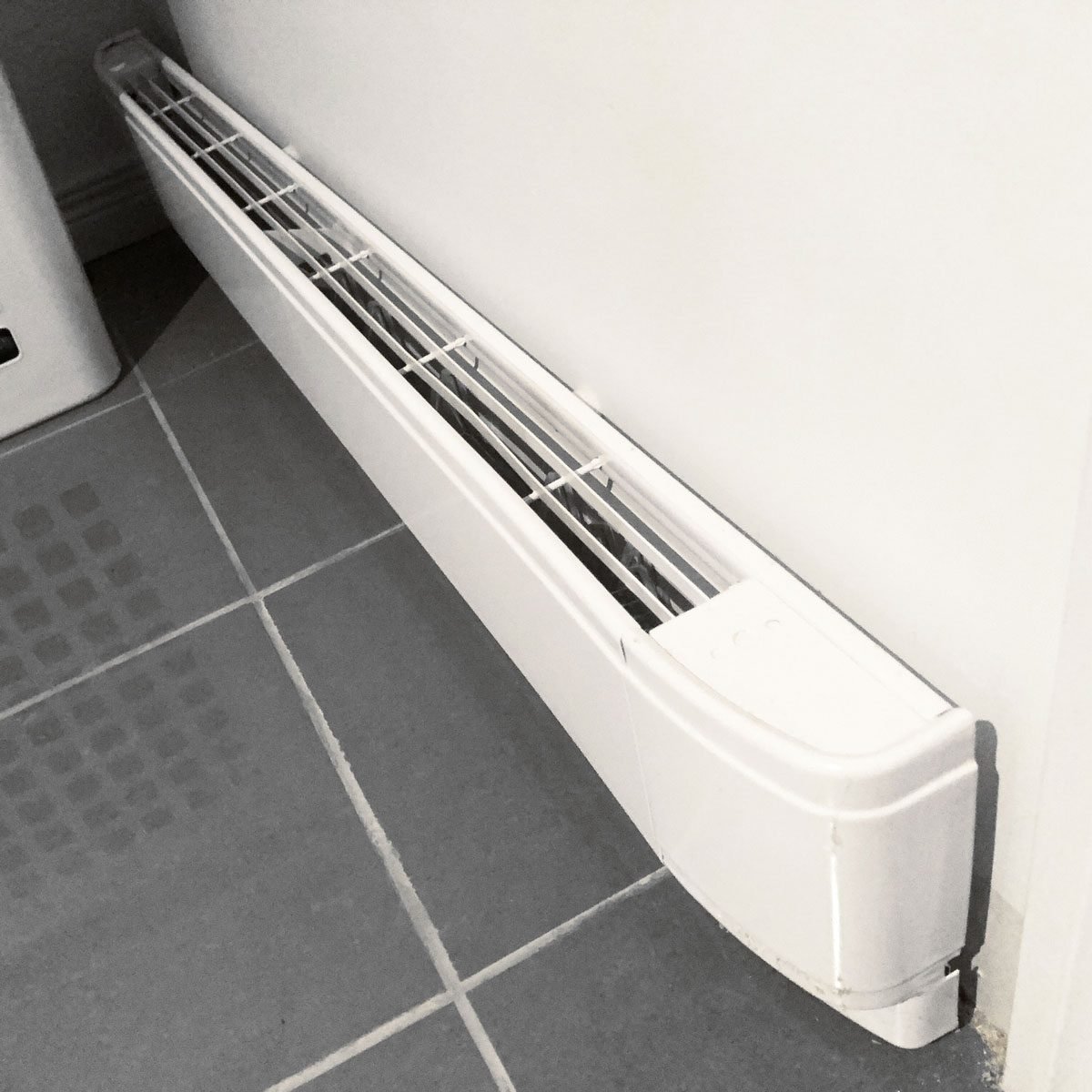
Hardwired heaters connect directly to your home’s electrical system. They require professional installation for safety and compliance. These heaters are often more powerful and suited for larger rooms. They blend well with home decor since no cords show. Hardwired models offer consistent heat and lower risk of disconnection. They usually have built-in thermostats for better temperature control.
Plug-in Heaters
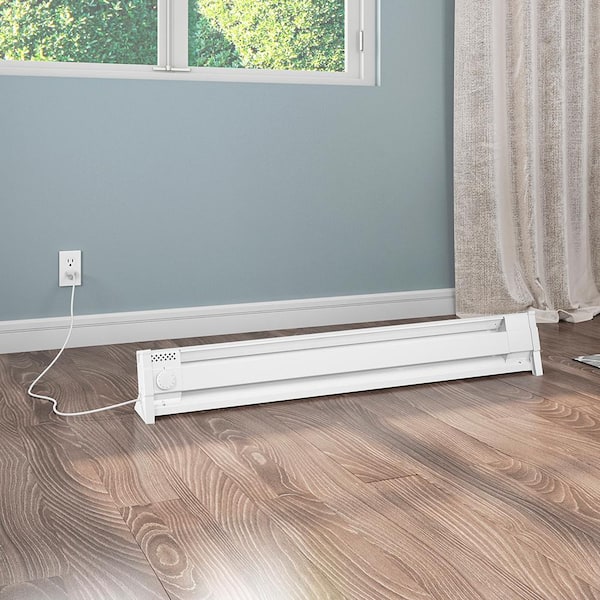
Plug-in heaters use a standard electrical outlet. They are easy to install and move between rooms. These heaters work best in smaller spaces or as supplemental heat. Plug-in models are less powerful than hardwired units. They come with built-in safety features like tip-over switches. These heaters are perfect for renters or temporary heating needs.
Credit: www.familyhandyman.com
Installation Differences
Understanding the installation differences between hardwired and plug-in electric baseboard heaters helps you choose the right option. Installation affects safety, cost, and convenience. Each type has unique needs for setup and placement.
Wiring Requirements
Hardwired heaters connect directly to your home’s electrical system. This means a professional electrician must install them. They require dedicated circuits and proper breakers. This wiring ensures safe operation and handles higher power loads.
Plug-in heaters use standard electrical outlets. You just plug them in like any appliance. No special wiring or electrician needed. This makes installation faster and cheaper but limits power use. Overloading an outlet can cause problems.
Placement Flexibility
Hardwired heaters mount firmly to walls. Their location is fixed by wiring access. Moving them after installation is difficult and costly. These heaters fit well in permanent spots like living rooms or bedrooms.
Plug-in heaters offer more placement freedom. You can move them to different rooms easily. They only need an outlet nearby. This flexibility suits renters or temporary heating needs. Still, outlets limit where you place them safely.
Energy Efficiency Comparison
Energy efficiency is key when choosing electric baseboard heaters. Understanding how hardwired and plug-in models use power can help you save money. This section breaks down their efficiency in two important ways: power consumption and heat distribution.
Power Consumption
Hardwired heaters often use power more steadily. They connect directly to your home’s electrical system. This reduces energy loss during operation. Plug-in heaters draw power through a cord and outlet. This can cause small energy drops due to resistance. Hardwired units usually handle higher wattages safely. Plug-in models tend to have lower wattage limits. This may affect how much heat they produce. Overall, hardwired heaters can be more efficient in power use.
Heat Distribution
Hardwired heaters often provide more even heat across a room. Their placement is fixed and optimized for performance. Plug-in heaters can be moved but may not heat as uniformly. Heat may stay near the unit, leaving cold spots. Hardwired models usually have larger heating elements. They warm the air and surfaces better. This leads to a more comfortable space with less energy waste.
Safety Considerations
Safety is a key factor when choosing electric baseboard heaters. Both hardwired and plug-in models have risks and protections. Knowing these helps protect your home and family from accidents. This section covers important safety points to consider.
Electrical Risks
Hardwired heaters connect directly to your home’s electrical system. This connection lowers the chance of loose plugs or accidental unplugging. But improper installation can cause electric shocks or short circuits. A licensed electrician should always install hardwired heaters.
Plug-in heaters use a standard outlet. This makes them easier to install but increases risks. Overloaded outlets or damaged cords may cause sparks or fires. Check cords often for damage. Avoid using extension cords with plug-in heaters.
Overheating Protection
Both types of heaters have built-in safety features to stop overheating. Many hardwired models include automatic shut-off switches. These switches activate if the heater gets too hot. This prevents fires and damage to the heater.
Plug-in heaters often have thermal cut-off devices. They turn the heater off when temperature limits are reached. Some models also have tip-over switches. These switches stop heating if the unit falls over. Overheating protection is crucial for safe use.
Cost Analysis
Understanding the cost differences between hardwired and plug-in electric baseboard heaters helps in making the right choice. Cost analysis breaks down both initial and long-term expenses. This guide simplifies the numbers for better decisions.
Initial Investment
Hardwired heaters usually cost more upfront. They need professional installation and extra wiring work. This adds to the total price. Plug-in heaters are cheaper to buy and install. You just plug them into an outlet. No extra labor costs. The price gap can be significant depending on your home’s setup.
Long-term Expenses
Hardwired heaters often use electricity more efficiently. This can lower your energy bills over time. They also last longer with proper maintenance. Plug-in heaters may cost more in electricity. Their smaller size can mean less heat output, causing longer run times. They might also wear out faster. Consider both energy use and replacement costs for a full picture.

Credit: www.eheat.com
Maintenance And Durability
Maintenance and durability are key factors when choosing between hardwired and plug-in electric baseboard heaters. These aspects affect how long the heater works well and how much care it needs. Knowing these details helps in making a smart choice for your home heating.
Lifespan Expectations
Hardwired electric baseboard heaters usually last longer than plug-in models. They have a solid installation that reduces wear and tear. Many hardwired heaters can work efficiently for 20 years or more.
Plug-in heaters often have a shorter lifespan. The plug and cord can wear out faster. Many models last about 10 to 15 years with good care. Lifespan depends on usage and environment.
Upkeep Needs
Hardwired heaters need less frequent maintenance. Their parts are built to last and stay secure. Checking wiring and cleaning dust helps keep them safe and efficient.
Plug-in heaters require more attention. The plug and cord must be checked for damage often. Dust buildup can affect performance, so cleaning is important. Careful handling extends their life.
Control And Convenience
Control and convenience are key factors when choosing between hardwired and plug-in electric baseboard heaters. These heaters vary in how you set and manage their temperature. Your comfort depends on how easily you can adjust the heat. Understanding the differences helps you pick the right heater for your needs.
Thermostat Options
Hardwired heaters usually connect to a wall thermostat. This gives precise temperature control throughout the room. Many wall thermostats have programmable settings for daily schedules. You can set the heater to turn on before you arrive. This saves energy by heating only when needed.
Plug-in heaters often have built-in thermostats. These let you adjust the heat directly on the unit. Some models include simple dials or digital controls. The control is less flexible than wall-mounted thermostats. Still, plug-in units provide easy temperature adjustment without extra installation.
Mobility And Portability
Plug-in baseboard heaters are easy to move. You can unplug and relocate them between rooms. This makes them ideal for renters or those who need temporary heating. You can use them in different places as your needs change.
Hardwired heaters stay fixed in one spot. They require professional installation and cannot be moved easily. This makes them a permanent heating solution. Hardwired units are best for consistent heat in specific rooms.
Best Use Cases
Choosing between hardwired and plug-in electric baseboard heaters depends on the space and how you use it. Each type suits different rooms and heating needs. Understanding their best use cases helps you pick the right option for comfort and efficiency.
Ideal Spaces For Hardwired
Hardwired baseboard heaters work well in permanent rooms. They fit best in living rooms, bedrooms, and offices. These heaters connect directly to your home’s electrical system. This setup allows for higher power and better heat output. Hardwired units handle larger spaces easily. They keep the room warm evenly for long hours. Perfect for homes with steady heating needs. Installation requires a professional electrician for safety. Hardwired heaters suit spaces where you want consistent warmth.
Ideal Spaces For Plug-in
Plug-in baseboard heaters are easy to move and install. Ideal for small rooms, workshops, or temporary spaces. They connect to standard electrical outlets without extra wiring. Great for rental homes or rooms without permanent heating. Plug-in heaters offer flexible heating where needed. They work best in small areas like bathrooms or small offices. These units help add warmth quickly and easily. Use plug-in heaters for short-term or occasional heating needs. No special installation makes them convenient for many situations.
Credit: www.homedepot.com
Frequently Asked Questions
What Is The Difference Between Hardwired And Plug-in Baseboard Heaters?
Hardwired heaters connect directly to your home’s electrical system. Plug-in heaters simply plug into a wall outlet. Hardwired models usually offer more power and a cleaner look.
Are Hardwired Electric Baseboard Heaters Safer Than Plug-in Types?
Hardwired heaters are often safer because they use dedicated circuits. Plug-in heaters might overload outlets if not used carefully. Proper installation is key for safety in both types.
Can I Install A Hardwired Baseboard Heater Myself?
Installing hardwired heaters usually requires an electrician. It involves working with your home’s wiring, which can be risky. Plug-in heaters are easier and safer to install by yourself.
Which Heater Type Is More Energy Efficient?
Both types use similar electricity amounts when running. Efficiency depends more on the heater’s quality and your home’s insulation. Hardwired heaters might maintain heat better due to stable connections.
Do Plug-in Baseboard Heaters Work Well For Large Rooms?
Plug-in heaters are best for small to medium rooms. Large rooms often need multiple units or a hardwired system. Hardwired heaters can provide more consistent heat in bigger spaces.
How Much Does It Cost To Run Hardwired Vs. Plug-in Heaters?
Running costs depend on your electricity rate and heater size. Hardwired heaters may be more cost-effective for long-term use. Plug-in heaters can cost more if used frequently or in large areas.
Conclusion
Choosing between hardwired and plug-in electric baseboard heaters depends on your needs. Hardwired models offer a cleaner look and often better safety. Plug-in heaters provide easy installation and flexibility. Consider your space, budget, and how often you move the heater.
Both types can warm your home effectively. Think about convenience versus permanence. Either option can keep you comfortable during cold months. Take time to decide what fits your lifestyle best.