
Are you trying to decide between 240-volt and 110-volt baseboard heaters for your home? Choosing the right type can make a big difference in how warm and comfortable your space feels—and how much you spend on energy.
But understanding the key differences might feel confusing. Don’t worry, this guide will break down everything you need to know in simple terms. By the end, you’ll feel confident about which baseboard heater fits your needs perfectly. Keep reading to discover the pros and cons of each option and find the best solution for your home heating.
Basics Of Baseboard Heaters
Baseboard heaters provide warmth directly along the floor edges of a room. They are a popular choice for many homes due to their simple design and effective heating. Understanding the basics helps you choose the right type and voltage for your needs. This section explains how baseboard heaters work and the main types available.
How Baseboard Heaters Work
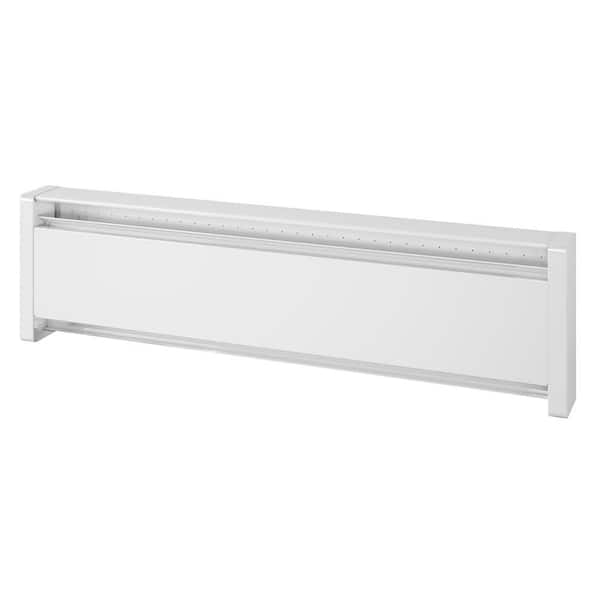
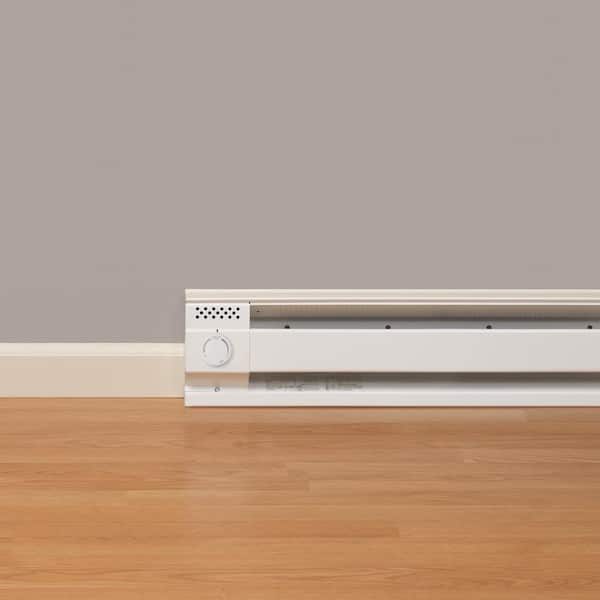
Baseboard heaters warm a room using electric resistance or hot water. Electric models contain metal coils that heat up when electricity flows through them. The heat moves upward by natural air flow, warming the room evenly. Hydronic baseboards use hot water from a boiler. The warm water flows through pipes inside the unit, radiating heat slowly and consistently.
Both methods produce quiet, steady heat. They operate close to the floor, which helps warm the cooler air near the ground. This method can be more efficient than other heating options in small spaces.
Types Of Baseboard Heaters
Two main types of baseboard heaters exist: electric and hydronic. Electric baseboards connect directly to the home’s electrical system. They are easy to install and require little maintenance. Hydronic heaters need a boiler system to heat water before circulating it through the pipes. These heaters provide softer, longer-lasting warmth.
Electric baseboards usually run on either 110 or 240 volts. The voltage affects the heater’s power and efficiency. Choosing the right voltage depends on the room size and your electrical setup. Hydronic heaters do not rely on voltage but on the boiler system.
Credit: www.homedepot.com
Voltage Differences
Baseboard heaters come in different voltage options. The voltage affects how much power the heater uses and how fast it warms a room. Understanding voltage differences helps you pick the right heater for your space and electrical system.
What Is 240v Baseboard Heating?
240V baseboard heaters run on higher voltage electricity. They use more power and provide stronger heat output. These heaters warm rooms quickly and are best for larger spaces. Homes with 240V circuits can support these heaters safely.
These heaters need special wiring and circuit breakers. They usually cost more to install but save energy by heating faster. They also run cooler on the wires, reducing fire risk.
What Is 110v Baseboard Heating?
110V baseboard heaters work on standard household voltage. They use less power and heat slower than 240V models. These heaters fit small rooms or areas with limited wiring options.
They are easier and cheaper to install. Most homes already have circuits for 110V heaters. These heaters are safer to install in older homes without 240V circuits.
Performance Comparison
The performance of baseboard heaters varies significantly between 240-volt and 110-volt models. Understanding these differences helps you choose the right heater for your space. This section compares their heating efficiency and heat output capacity.
Heating Efficiency
240-volt baseboard heaters use electricity more efficiently than 110-volt models. They convert more power into heat with less energy loss. This means they warm rooms faster and maintain temperature better. In contrast, 110-volt heaters take longer to heat a space and may waste more energy. Choosing a 240-volt heater can lower electricity bills over time.
Heat Output Capacity
240-volt heaters provide higher heat output compared to 110-volt heaters. They can deliver more watts of power, which translates to stronger warmth. Larger rooms benefit from 240-volt models because they heat evenly and quickly. On the other hand, 110-volt heaters work best in smaller areas or as supplementary heat sources. Their limited output may not suffice for bigger spaces.
Installation Factors
Choosing between 240V and 110V baseboard heaters depends on several installation factors. These factors influence safety, efficiency, and overall performance. Understanding these helps you pick the right heater for your space.
Wiring And Electrical Requirements
240V baseboard heaters need special wiring and a dedicated circuit. This type of wiring carries more power safely. It usually requires a licensed electrician to install it. In contrast, 110V heaters connect to standard household outlets. They do not demand heavy wiring or special circuits. This makes 110V heaters easier to install but less powerful.
Space And Placement Considerations
240V heaters often come in larger sizes and produce more heat. They need enough wall space for safe placement. These heaters should not be blocked by furniture or curtains. 110V heaters are smaller and fit in tighter spaces. They work well in rooms with limited wall space. Placement affects how well the heater warms the room.
Energy Consumption
Energy consumption plays a key role in choosing between 240V and 110V baseboard heaters. Knowing how much power each uses helps control electricity costs. Understanding these differences also helps pick the right heater for your space and budget.
Power Usage Of 240v Vs 110v
Both 240V and 110V heaters provide heat using electric power. A 240V heater runs at higher voltage, which allows it to use the same wattage with less current. This means it can heat faster and more efficiently.
On the other hand, 110V heaters use lower voltage and need more current to produce the same heat. This can cause more energy loss and slower heating times. However, 110V heaters often work well for smaller rooms or spaces with limited wiring.
Impact On Utility Bills
240V baseboard heaters usually cost less to run over time. They use electricity more efficiently, which lowers your monthly bills. They also heat spaces faster, reducing the time they need to be on.
110V heaters may lead to slightly higher utility bills. Their lower voltage means more current and potentially more energy waste. For small areas, this difference might be small, but in larger spaces, it adds up.
Safety Aspects
Safety is a key factor when choosing between 240 and 110 baseboard heaters. Each type has unique risks and precautions. Understanding these helps protect your home and family from harm.
Overheating Risks
Baseboard heaters can get very hot during use. Overheating may cause burns or start fires. The 240-volt heaters usually run hotter than 110-volt ones. This makes monitoring temperature very important. Keep flammable materials away from the heater. Never block the heater’s airflow. This prevents heat buildup and reduces fire risks.
Electrical Safety Precautions
Proper wiring is essential for both heater types. The 240-volt baseboard heaters need special circuits and breakers. Incorrect installation can cause electrical shocks or fires. Always use a licensed electrician for installation. Use the correct fuse or breaker size for the heater’s wattage. Regularly check cords and connections for damage. Replace any worn or frayed parts immediately. Turn off the heater before cleaning or maintenance to avoid shocks.
Cost Analysis
Cost plays a big role in choosing between 240V and 110V baseboard heaters. Understanding all expenses helps you make the best choice. This section breaks down the main costs involved.
Initial Purchase Price
240V baseboard heaters usually cost more than 110V models. The higher voltage allows for faster heating and larger units. 110V heaters are smaller and cheaper but may heat slower. Your budget affects which type fits best.
Installation Costs
Installing 240V heaters often requires a dedicated circuit and a licensed electrician. This raises installation costs compared to 110V heaters. 110V units can plug into standard outlets, making installation easier and cheaper. Consider your home’s wiring before deciding.
Long-term Maintenance Expenses
Both 240V and 110V heaters need little upkeep. 240V units may last longer due to less strain on components. Repair costs for both types are generally low. Checking for dust and damage regularly keeps heaters efficient and safe.
Credit: www.homedepot.com
Best Use Cases
Choosing the right baseboard heater depends on your space and power needs. Both 240V and 110V heaters serve different purposes. Understanding their best use cases helps you pick the right one for your home or office.
Each type offers unique benefits based on heating power and installation requirements. Knowing when to use each can save money and improve comfort.
When To Choose 240v Heaters
240V baseboard heaters work best in large rooms or open spaces. They provide stronger heat output and warm areas faster. These heaters suit homes with existing 240V wiring, like kitchens or basements. They also handle colder climates well, keeping rooms cozy.
Use 240V heaters when you want efficient, steady heat. They are ideal for main living areas or places with poor insulation. These heaters often cost less to run per heat unit. They fit well in homes with higher power capacity.
When 110v Heaters Are Ideal
110V baseboard heaters fit small rooms or spaces with limited power. They need less electrical work and are easier to install. These heaters work great in bedrooms, bathrooms, or small offices. They provide gentle warmth and maintain comfortable temperatures.
Choose 110V heaters for supplemental heat or zones with lower heat needs. They suit homes without 240V wiring or older buildings. These heaters use standard outlets and are perfect for spot heating. Their lower power also means safer and simpler setups.
Common Myths Debunked
Many people have wrong ideas about baseboard heaters 240 volts and 110 volts. These myths cause confusion and wrong choices. Clearing these myths helps you pick the right heater for your home.
This section breaks down common myths. It explains facts in simple words. You will learn the truth behind these heaters.
Myth: 240 Volt Heaters Use Twice The Energy Of 110 Volt
240 volt heaters do not use twice the energy. They use more voltage but can be more efficient. The wattage, not voltage alone, controls energy use. Both heaters can have similar energy costs if wattage is equal.
Myth: 110 Volt Heaters Are Unsafe For Large Rooms
110 volt heaters can safely heat small to medium rooms. For larger rooms, multiple units or higher wattage may be needed. Safety depends on proper installation, not just voltage.
Myth: 240 Volt Heaters Are Hard To Install
240 volt heaters need special wiring and a dedicated circuit. This requires a professional electrician. The process is not difficult but must follow safety rules. Installation cost is higher but worth the effort for some homes.
Myth: 110 Volt Heaters Are Always Cheaper
110 volt heaters usually cost less upfront. But operating costs can be higher for bigger spaces. 240 volt heaters may cost more initially but save money over time by heating efficiently.
Tips For Choosing The Right Heater
Choosing the right baseboard heater is important for comfort and cost. The choice between 240V and 110V heaters depends on several factors. Knowing these helps you pick the best heater for your space.
Assessing Room Size And Insulation
Room size affects heater power. Larger rooms need more heat. Small heaters may not warm big rooms well.
Insulation matters too. Well-insulated rooms keep heat longer. Poor insulation means more heat loss.
Measure your room’s square footage. Check walls and windows for drafts. This guides your heater size choice.
Evaluating Electrical Setup
Check your home’s electrical system. 240V heaters need special wiring and breakers. Not all homes have this setup.
110V heaters use standard outlets. Easier to install but less powerful.
Consult an electrician. They can tell which option fits your home’s wiring. Safety is key when installing heaters.
/SPR-install-240-volt-electric-baseboard-heater-3954745-hero_30594-3ef85406e6eb4b4a940ea7bc6b0e45f6.jpg)
Credit: achostudio.com
Frequently Asked Questions
What Is The Main Difference Between 240v And 110v Baseboard Heaters?
240V heaters use more power and heat rooms faster than 110V models. The 110V heaters are slower but use less electricity.
Can 110v Baseboard Heaters Warm Large Rooms Effectively?
110V heaters work best in small to medium rooms. For large rooms, 240V heaters provide better and quicker heating.
Are 240v Baseboard Heaters More Energy Efficient?
240V heaters heat faster, which can save energy over time. But both types use similar power levels when running.
Is Installation Harder For 240v Baseboard Heaters Than 110v?
240V heaters usually need a special circuit and professional wiring. 110V heaters are easier to install on standard outlets.
Which Baseboard Heater Is Safer To Use, 240v Or 110v?
Both are safe when installed correctly. 110V heaters carry less risk of electrical shock due to lower voltage.
Do 110v Baseboard Heaters Cost Less To Buy And Operate?
110V heaters often cost less upfront and may use less electricity. Still, they take longer to heat a room than 240V units.
Conclusion
Choosing between 240V and 110V baseboard heaters depends on your needs. The 240V models heat rooms faster and use less electricity. The 110V versions are easier to install and work well in small spaces. Think about your room size, budget, and wiring before deciding.
Both types offer reliable warmth and comfort. Pick the one that fits your home and heating goals best. Simple and effective heating is possible with either choice.