
Choosing the right heating system for your home can feel overwhelming. You want something efficient, reliable, and cost-effective.
When it comes to electric heating, two popular options stand out: electric baseboard heaters and oil-filled heaters. But which one is better for your space? You’ll discover the key differences, benefits, and drawbacks of each. By the end, you’ll feel confident making a choice that fits your needs perfectly.
Keep reading to find out which heater will keep you warm and comfortable all winter long.
:max_bytes(150000):strip_icc()/Baseboardheater-GettyImages-182924153-839b39e85fdf4783b2af9850059da492.jpg)
Credit: www.thespruce.com
Electric Baseboard Heater Basics
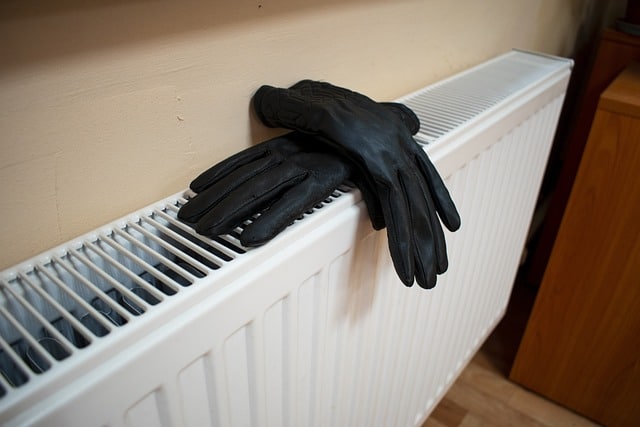
Electric baseboard heaters offer a simple way to heat rooms. They fit along the base of walls and use electricity to warm the air. These heaters are popular for their quiet operation and ease of use. Understanding their basics helps you decide if they suit your space.
How They Work
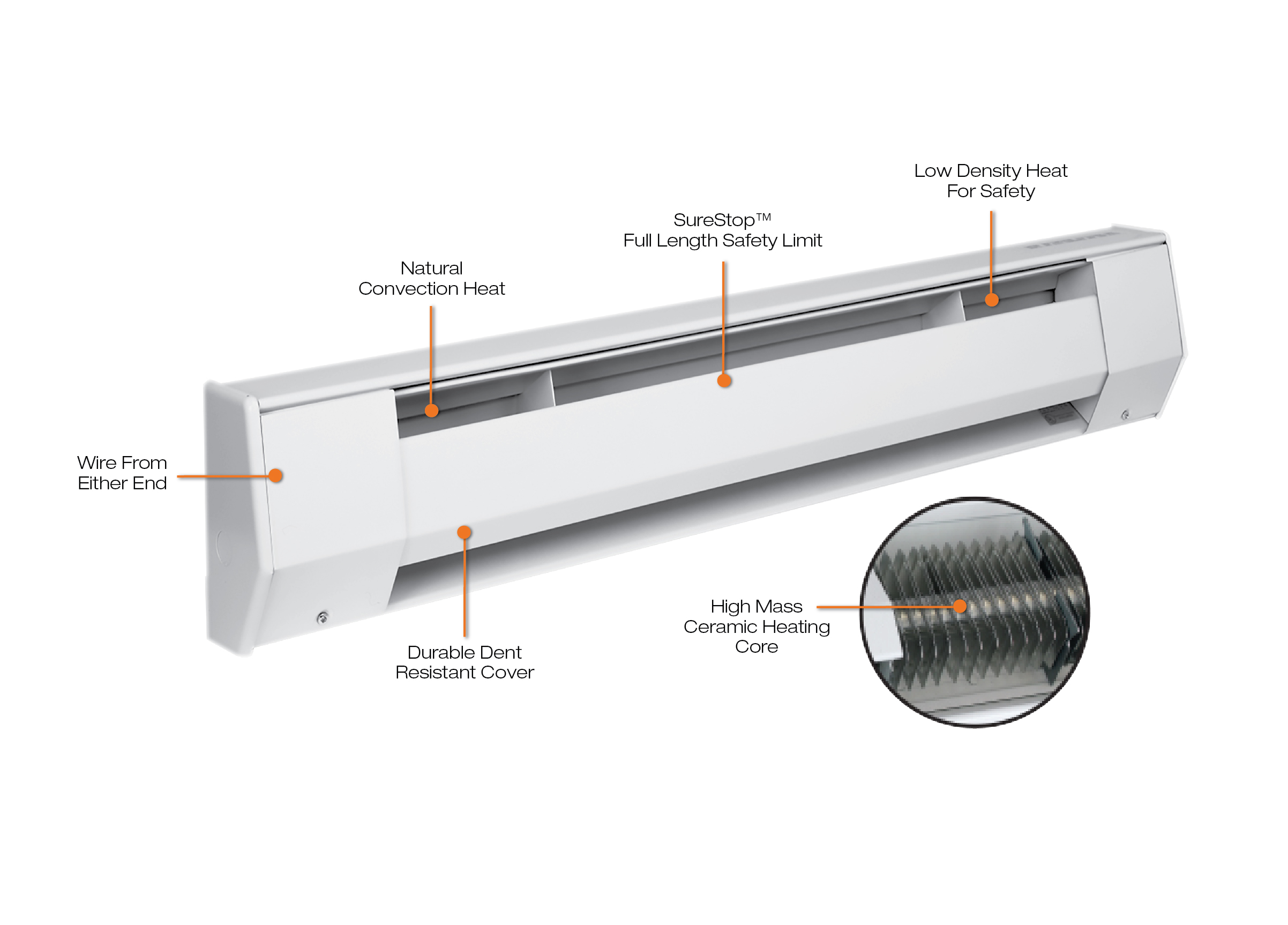
Electric baseboard heaters use electric resistance to produce heat. Inside the unit, electric current flows through metal coils. The coils get hot and warm the air around them. Warm air rises, and cooler air moves in to take its place. This cycle spreads heat evenly in the room.
Common Sizes And Styles
Baseboard heaters come in many lengths, typically from 2 to 8 feet. Their power ranges from 250 to 2000 watts. Styles include simple metal covers or decorative designs. Some models have built-in thermostats for easy temperature control. Choose a size based on your room’s square footage.
Installation Process
Installation is straightforward but needs careful planning. The heater mounts along the baseboard, usually near an electrical outlet. You may need a dedicated circuit for safety. Wiring must follow local electrical codes. Many homeowners hire an electrician to install the unit properly.
Credit: shrinkthatfootprint.com
Oil Filled Heater Essentials
Oil filled heaters offer a quiet and steady way to warm up rooms. They use oil inside the heater to store heat and release it slowly. This helps keep the room warm for a longer time, even after turning off the heater. Understanding how these heaters work and their features can help you choose the right one for your needs.
Operating Mechanism
Oil filled heaters have a metal tank filled with special oil. The heater warms the oil using an electric element. The hot oil then heats the metal fins around the tank. These fins spread heat to the room by radiation and natural air flow. This process makes the heater energy efficient and quiet.
Design And Portability
These heaters are usually tall and slim. They have wheels or handles for easy movement. You can move them from one room to another without trouble. The design allows them to fit in corners or small spaces. Their weight is more than other heaters because of the oil inside.
Setup Requirements
Oil filled heaters need no special installation. Just plug them into a standard electrical outlet. Place them on a flat, stable surface away from flammable materials. Make sure to keep them in open areas for good heat flow. They are ready to use right after plugging in.
Energy Efficiency Comparison
Energy efficiency is a key factor when choosing between electric baseboard heaters and oil-filled heaters. Understanding how each uses power helps save energy and reduce bills. This section breaks down their energy use, heat retention, and cost effectiveness.
Power Consumption
Electric baseboard heaters use electricity directly to warm the room. They turn on and off to keep the temperature steady. Oil-filled heaters take longer to heat but use electricity less often. This means they may use less power over time. Both types use about the same amount of electricity when running.
Heat Retention
Oil-filled heaters hold heat longer because of the oil inside. This keeps rooms warm even after turning off. Electric baseboard heaters cool down quickly once off. Heat retention helps oil-filled heaters save energy by running less. This is useful in rooms that need steady warmth.
Cost Effectiveness
Electric baseboard heaters cost less to buy and install. Oil-filled heaters usually have a higher upfront price. Over time, oil-filled heaters can lower energy bills due to heat retention. Baseboard heaters may lead to higher costs if used often. Choosing depends on how you use the heater and your budget.
Credit: king-electric.com
Heating Performance
Heating performance is a key factor when choosing between electric baseboard heaters and oil-filled radiators. Both types offer warmth but differ in how they heat a room. Understanding these differences helps in picking the right heater for your needs.
Warm-up Time
Electric baseboard heaters warm up quickly. They start producing heat almost immediately after turning on. Oil-filled heaters take longer to warm up. The oil inside needs time to heat before releasing warmth. This means electric baseboard heaters provide faster heat.
Heat Distribution
Electric baseboard heaters heat the air directly near them. The warm air rises and spreads throughout the room. Oil-filled heaters use convection to spread heat. They warm the oil, which heats the metal surface. This surface then warms the air slowly and evenly. Oil-filled heaters usually offer smoother, more consistent heat.
Temperature Control
Electric baseboard heaters often have built-in thermostats. These allow precise temperature control. Users can set the exact heat level needed. Oil-filled heaters also have thermostats but can be less responsive. The oil retains heat, so temperature changes happen slower. Electric baseboards provide quicker adjustments to room temperature.
Safety Considerations
Safety is a key factor when choosing between electric baseboard heaters and oil-filled radiators. Both types have features that protect users from accidents. Understanding these safety aspects helps you pick the right heater for your home.
Overheat Protection
Electric baseboard heaters often include built-in overheat protection. This feature shuts off the heater if it gets too hot. Oil-filled heaters also have this safety measure. It prevents damage and reduces fire risk. Overheat protection adds peace of mind during use.
Fire Hazards
Electric baseboard heaters have exposed heating elements. This can increase fire risks if flammable items touch the heater. Oil-filled heaters have enclosed heating parts. This design lowers the chance of fire. Proper placement and care are vital with both heaters.
Child And Pet Safety
Electric baseboard heaters get very hot to the touch. This can cause burns to children and pets. Oil-filled heaters have a cooler surface. They are safer around curious kids and animals. Still, keep heaters away from small hands and paws.
Maintenance Needs
Understanding the maintenance needs helps choose the right heater. Electric baseboard and oil-filled heaters need different care. Knowing these needs saves time and money. It also keeps your home warm and safe.
Cleaning And Upkeep
Electric baseboard heaters need dusting often. Dust blocks heat and lowers efficiency. Use a soft cloth or vacuum with a brush. Avoid water to stop electric damage.
Oil-filled heaters need less cleaning. Wipe the surface with a damp cloth. Avoid harsh chemicals that can damage the finish. Keep vents clear for good airflow.
Longevity
Electric baseboard heaters last about 10 to 20 years. Lifespan depends on use and care. Regular cleaning helps them last longer.
Oil-filled heaters can last 15 to 25 years. Their sealed oil system reduces wear. Proper upkeep extends their life significantly.
Common Repairs
Electric baseboard heaters may need thermostat fixes. Wiring issues can also occur. Repairs are usually simple and quick.
Oil-filled heaters rarely break down. Sometimes the heating element fails. Fixing oil leaks is rare but costly.
Cost Analysis
Choosing between an electric baseboard heater and an oil-filled heater depends a lot on costs. Understanding the cost differences helps you pick the right heater for your budget. This section breaks down the initial costs, ongoing expenses, and savings over time.
Initial Investment
Electric baseboard heaters usually cost less upfront. They are simpler devices and easy to install. Oil-filled heaters often have a higher price at purchase. They come with built-in oil and a metal casing. The initial cost can vary by brand and size for both types.
Running Costs
Electric baseboard heaters use electricity directly to heat a room. This can lead to higher energy bills. Oil-filled heaters take longer to warm up but keep heat longer. This means they may use less energy overall. Running costs depend on your local electricity rates and usage habits.
Long-term Savings
Oil-filled heaters may save money over time due to better heat retention. They need less energy to maintain warmth. Electric baseboard heaters can cost more if used for many hours daily. Choosing the right heater for your space and usage can reduce long-term expenses.
Ideal Usage Scenarios
Choosing between an electric baseboard heater and an oil-filled heater depends on where and how you plan to use them. Each type of heater performs best in certain situations. Knowing these ideal usage scenarios helps you pick the right heater for your needs. Let’s explore the factors that affect their performance.
Room Size Suitability
Electric baseboard heaters work well in small to medium rooms. They heat quickly and provide steady warmth. Oil-filled heaters are better for larger rooms. They take longer to warm up but keep the space warm for hours. Consider the room size before choosing a heater.
Climate Considerations
Electric baseboard heaters suit mild to moderately cold climates. They heat fast but cool down quickly. Oil-filled heaters fit colder climates better. They hold heat longer, making them energy-efficient in chilly weather. Match the heater to your climate for best results.
User Preferences
Users who want quick heat prefer electric baseboard heaters. They are simple to install and operate. Oil-filled heaters appeal to those who want silent, steady warmth. They often have a longer lifespan and work quietly. Think about your comfort and habits when choosing.
Environmental Impact
Choosing between an electric baseboard heater and an oil-filled heater involves understanding their environmental impact. Each heater uses energy differently and affects the planet in unique ways. This section explains these differences clearly.
Energy Source
Electric baseboard heaters use electricity directly. The source of this electricity varies. It can come from renewable sources like wind or solar. Or it may come from fossil fuels like coal or natural gas. Oil-filled heaters use electricity too, but they heat oil inside the unit. This oil keeps heat longer, needing less power over time.
Carbon Footprint
Electric heaters create carbon emissions based on electricity sources. If the electricity comes from coal, emissions are higher. Renewable energy reduces carbon output significantly. Oil-filled heaters may use less electricity overall. This can lower their carbon footprint compared to baseboard heaters. Still, the exact impact depends on local energy production.
Sustainability Factors
Electric baseboard heaters are simple to recycle since they contain fewer materials. Oil-filled heaters have oil, which needs safe disposal. Using renewable electricity improves sustainability for both heaters. Choosing energy-efficient models also helps reduce environmental harm. Regular maintenance extends heater life, cutting waste.
Frequently Asked Questions
What Is The Main Difference Between Electric Baseboard And Oil Filled Heaters?
Electric baseboard heaters use metal coils to heat air directly. Oil filled heaters warm oil inside and release heat slowly, offering longer warmth.
Which Heater Is More Energy Efficient For Home Use?
Oil filled heaters usually use less energy by keeping heat longer. Electric baseboard heaters heat quickly but may use more power over time.
Are Oil Filled Heaters Safer Than Electric Baseboard Heaters?
Oil filled heaters stay cooler on the surface, reducing burn risk. Electric baseboard heaters get hotter and need careful placement to avoid accidents.
How Fast Do Electric Baseboard Heaters Warm A Room?
Electric baseboard heaters warm rooms quickly by heating air directly. Oil filled heaters take longer but keep rooms warm for a longer time.
Can Electric Baseboard Heaters Work Well In Large Rooms?
Electric baseboard heaters work best in small to medium rooms. Large rooms may need multiple units or an alternative heating method.
Do Oil Filled Heaters Require Maintenance Or Refilling?
Oil filled heaters are sealed and do not need refilling. They require little maintenance, only occasional cleaning to keep them working well.
Conclusion
Both electric baseboard heaters and oil-filled heaters have clear benefits. Electric baseboard heaters heat rooms quickly and work well in small spaces. Oil-filled heaters take longer but keep warmth steady for longer. Consider your room size, budget, and heating needs before choosing.
Energy use and safety also matter. Each heater fits different lifestyles. Choose the one that feels right for your home. Simple and practical decisions work best. Heating comfort matters every day.