
Are you thinking about upgrading your home heating system? Choosing the right baseboard heater can make a big difference in comfort and energy bills.
Electric baseboard heaters come in two main types: essential hydronic and standard. But which one is best for your space? Understanding how each works and what benefits they offer will help you make a smart choice. Keep reading to discover the key differences and find out which heater matches your needs perfectly.
Electric Baseboard Heaters Basics
Electric baseboard heaters provide a simple way to heat rooms. They are easy to install and use electricity to create warmth. These heaters come in two main types: essential hydronic and standard electric. Each has its own way of working and different benefits. Understanding the basics helps to choose the right heater for your needs.
Both types fit well in homes and small spaces. They heat the air directly near the floor, which then rises to warm the room evenly. These heaters are quiet and need little maintenance, making them popular choices for many.
How They Work
Standard electric baseboard heaters use metal fins to heat the air. Electricity flows through a heating element inside the unit. The element gets hot and warms the fins. Air passes over the fins and heats up. Warm air rises and spreads through the room.
Essential hydronic heaters use hot water or oil inside a sealed pipe. Electricity heats the liquid, which stays warm longer. The liquid transfers heat to the metal fins. This method keeps the heater warm even after turning off the power.
Common Uses
These heaters are common in homes without central heating. They work well in bedrooms, living rooms, and basements. Many people use them as a backup heat source. They fit well in rooms where you need extra warmth quickly. Hydronic models are popular in places where steady heat is important.
Energy Efficiency
Standard electric heaters warm rooms fast but cool down quickly. They use electricity directly, which can raise energy costs. Hydronic heaters hold heat longer, reducing on and off cycles. This can save energy over time. Both types work best with a thermostat to control temperature accurately.
Standard Electric Baseboard Heaters
Standard electric baseboard heaters are common heating options in many homes. These heaters use electric resistance to warm up a room. They are simple devices that provide direct heat along the walls. These heaters work quietly and do not need much maintenance.
Design Features
Standard electric baseboard heaters are long and narrow. They usually mount near the floor along walls. Inside, metal fins heat up as electricity passes through. The fins spread heat by warming the air. A metal cover protects the heating elements. The design helps warm air rise naturally in the room.
Installation Process
Installing these heaters is straightforward. They need to connect to the home’s electrical system. Usually, a circuit breaker is required for safety. The heaters attach to the wall with screws. Proper spacing from furniture is important. No ductwork or vents are needed for installation.
Advantages And Drawbacks
These heaters are easy to use and control. They provide steady, even heat in small spaces. Installation cost is generally low. They operate quietly and need little upkeep. On the downside, they can raise electric bills. Heat may feel less comfortable in large rooms. They only heat the immediate area near the unit.
Hydronic Electric Baseboard Heaters
Hydronic electric baseboard heaters use hot water to warm a room. They combine electric power with water’s heat-holding ability. This system offers steady, gentle heat. It feels more natural than direct electric heat. Hydronic heaters run quietly and keep rooms cozy for hours.
Operating Principle
Hydronic heaters work by heating water with an electric element. Hot water moves through pipes inside the baseboard unit. The water heats metal fins around the pipes. These fins then warm the air by radiation and convection. The water stays inside the system, cycling continuously. This keeps the heater warm even after power turns off.
Components Involved
The main parts include an electric heating element and copper pipes. Metal fins surround the pipes to spread heat evenly. A thermostat controls the water temperature. The pipes connect to a water reservoir or tank inside the heater. Wiring supplies electricity to the heating element. The whole system fits inside a long, narrow baseboard unit.
Benefits And Limitations
Hydronic heaters provide steady, even warmth. They use less electricity than standard electric baseboards. The heat feels softer and lasts longer. These units operate quietly without fans. They require less maintenance and have fewer moving parts.
They take longer to heat up compared to standard heaters. Installation can be more complex and costly. Hydronic heaters work best in homes with good insulation. They may not respond quickly to sudden temperature changes.
:max_bytes(150000):strip_icc()/convection-vs-hydronic-electric-baseboard-heaters-1821911_FINAL-ab6a04e928824ed597b49c0fd2f92286.jpg)
Credit: www.thespruce.com
Comparing Hydronic And Standard Models
Electric baseboard heaters come in two main types: hydronic and standard. Each has unique features and ways of heating a room. Understanding their differences helps you choose the right one for your home. This section compares the two based on heating performance, costs, and maintenance needs.
Heating Performance
Hydronic heaters use hot water inside sealed pipes to warm the room. This method provides steady, even heat. The warmth lasts longer, even after the heater turns off. Standard heaters use electric coils to heat the air directly. They warm up faster but can feel less even. Hydronic models are quieter because they don’t use fans.
Cost Considerations
Standard electric baseboard heaters usually cost less upfront. They are simpler to install and need less equipment. Hydronic heaters have a higher initial price due to water tanks and pipes. Their running costs are often lower because they use heat more efficiently. Over time, hydronic models can save money on energy bills.
Maintenance Needs
Standard heaters require minimal maintenance. Occasionally, dusting the coils keeps them running well. Hydronic heaters need more care to avoid leaks in the water system. The water may need to be replaced or checked yearly. Proper maintenance ensures hydronic heaters last longer and work efficiently.
Choosing The Right Heater
Choosing the right electric baseboard heater is key to effective home heating. Different heaters suit different needs and spaces. Knowing what fits your room and budget helps you pick the best option.
Room Size And Layout
Room size affects heater power needs. Larger rooms need heaters with higher output. Smaller rooms work well with standard heaters. Layout matters too. Open spaces need more heat spread than closed rooms. Consider furniture and window placement for best heat flow.
Energy Source Availability
Check your home’s energy source. Electric baseboard heaters use electricity directly. Hydronic heaters need hot water from a boiler. If your home already has a boiler, hydronic may save energy. If not, a standard electric heater is easier to install.
Budget And Long-term Savings
Initial cost varies between heater types. Standard electric heaters cost less upfront. Hydronic heaters cost more but last longer. Hydronic heaters use less electricity over time. This can lower your bills. Think about what fits your budget now and later.
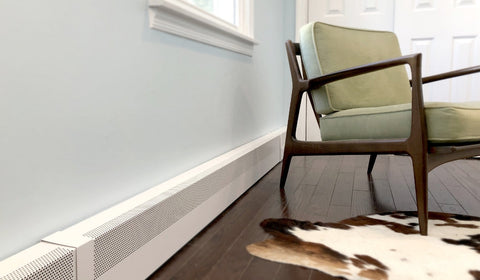
Credit: www.baseboardheatercovers.com
Installation Tips And Best Practices
Installing electric baseboard heaters needs care and planning. Proper installation helps your heater work well and stay safe. Following key tips and best practices makes the process easier. This guide covers where to place your heater, safety steps to follow, and whether to hire a pro or do it yourself.
Placement Guidelines
Place heaters under windows to fight cold air. Keep at least 12 inches of space around the heater. Avoid blocking the heater with furniture or curtains. Install on a wall that needs steady heat. Do not place near flammable materials or vents. Good placement improves heat flow and saves energy.
Safety Precautions
Turn off power before starting installation. Use a voltage tester to confirm no electricity flows. Follow the heater’s instructions exactly. Use proper wires and breakers for your heater size. Secure wiring to avoid loose connections. Keep children and pets away during work. Check local codes for safety rules. Use a ground fault circuit interrupter (GFCI) if required.
Professional Vs Diy
Hiring a professional ensures safe and correct installation. Pros have tools and know local rules. They can handle wiring and mounting properly. DIY saves money but needs skill and time. Only do it yourself if you understand electrical work. Mistakes can cause shocks or fires. Always weigh cost against safety and quality.
Energy Efficiency And Environmental Impact
Energy efficiency and environmental impact are key factors in choosing between essential hydronic and standard electric baseboard heaters. Both types use electricity but differ in how they heat your space and affect energy use. Understanding these differences helps reduce costs and protect the environment.
Reducing Energy Consumption
Essential hydronic heaters use hot water to spread heat evenly. This process keeps rooms warm longer with less electricity. Standard electric heaters heat air directly, which cools faster and uses more energy. Hydronic systems maintain a steady temperature, lowering energy waste. Choosing hydronic heaters can cut your electricity bills.
Eco-friendly Options
Hydronic baseboard heaters can use renewable energy sources like solar or geothermal power. This reduces carbon emissions and pollution. Standard electric heaters rely on the grid, which may use fossil fuels. Hydronic systems offer a cleaner, greener way to heat your home. They support a healthier planet by reducing your carbon footprint.
Smart Controls Integration
Smart thermostats work well with both heater types to save energy. They adjust heat based on your schedule and room use. Hydronic heaters benefit more because they hold heat longer, making smart controls more effective. You can control temperatures remotely, avoiding wasted energy. Smart controls make heating more efficient and eco-friendly.
Troubleshooting Common Issues
Troubleshooting common issues with electric baseboard heaters helps keep your home warm. Knowing what to check saves time and money. Problems with heat output or noise can be fixed with simple steps. Understanding the difference between hydronic and standard models aids in quick diagnosis.
No Heat Problems
No heat is the most frequent issue with baseboard heaters. First, check the thermostat settings to ensure it is on and set above room temperature. Next, inspect the circuit breaker or fuse box. A tripped breaker can cut power to the heater. For hydronic heaters, low water pressure may cause no heat. Refill or bleed the system to restore pressure. Standard electric units may have faulty heating elements that need replacement.
Uneven Heating
Uneven heating means some parts of the room feel colder. Dust and dirt on the heater fins reduce heat flow. Cleaning the fins can help. For hydronic heaters, trapped air in the pipes blocks heat. Bleeding the system removes air pockets and improves heat distribution. Check for furniture or curtains blocking the heater. Clear space around the unit to allow warm air to flow freely.
Noise And Maintenance
Baseboard heaters may make clicking, buzzing, or popping sounds. Expansion and contraction of metal parts cause clicking. Dust on electrical parts can cause buzzing. Turn off power and clean the heater carefully. Popping noises in hydronic heaters often come from trapped air. Bleeding the system stops these noises. Regular maintenance extends heater life and keeps it quiet.

Credit: www.baseboardheatercovers.com
Frequently Asked Questions
What Are Electric Baseboard Heaters?
Electric baseboard heaters are wall-mounted units that use electricity to warm a room. They heat air by passing it over electric coils.
How Do Hydronic Baseboard Heaters Work?
Hydronic heaters use hot water or steam to warm the room through metal pipes. The heat spreads evenly and feels gentle.
What Is The Difference Between Hydronic And Standard Heaters?
Standard heaters use electric coils, while hydronic heaters use hot water inside pipes. Hydronic models provide softer, more even heat.
Are Electric Baseboard Heaters Energy Efficient?
Electric baseboard heaters can be efficient for small spaces or zones. Efficiency depends on insulation and thermostat settings.
Can Hydronic Heaters Work Without Electricity?
Hydronic heaters need electricity to power the pump and controls, but they can hold heat longer. They use hot water as the heat source.
Which Heater Type Is Better For Allergy Sufferers?
Hydronic heaters are better for allergies because they cause less air movement. Standard heaters can spread dust due to air blowing.
Conclusion
Choosing between hydronic and standard electric baseboard heaters depends on your needs. Hydronic heaters use hot water and offer gentle, even heat. Standard electric heaters warm the air quickly and are easy to install. Both types have benefits for different spaces and budgets.
Think about your home size, comfort needs, and energy use. This helps you pick the best heater for your space. Understanding the basics makes your choice clearer and your home warmer.