
Are you trying to decide between an electric furnace and baseboard heaters for your home? Choosing the right heating system can save you money and keep your space cozy all winter long.
But with so many options, it’s easy to feel overwhelmed. You’ll discover the key differences, benefits, and drawbacks of each system. By the end, you’ll know exactly which one fits your needs and budget. Keep reading to make a smart choice that keeps your home warm and comfortable.
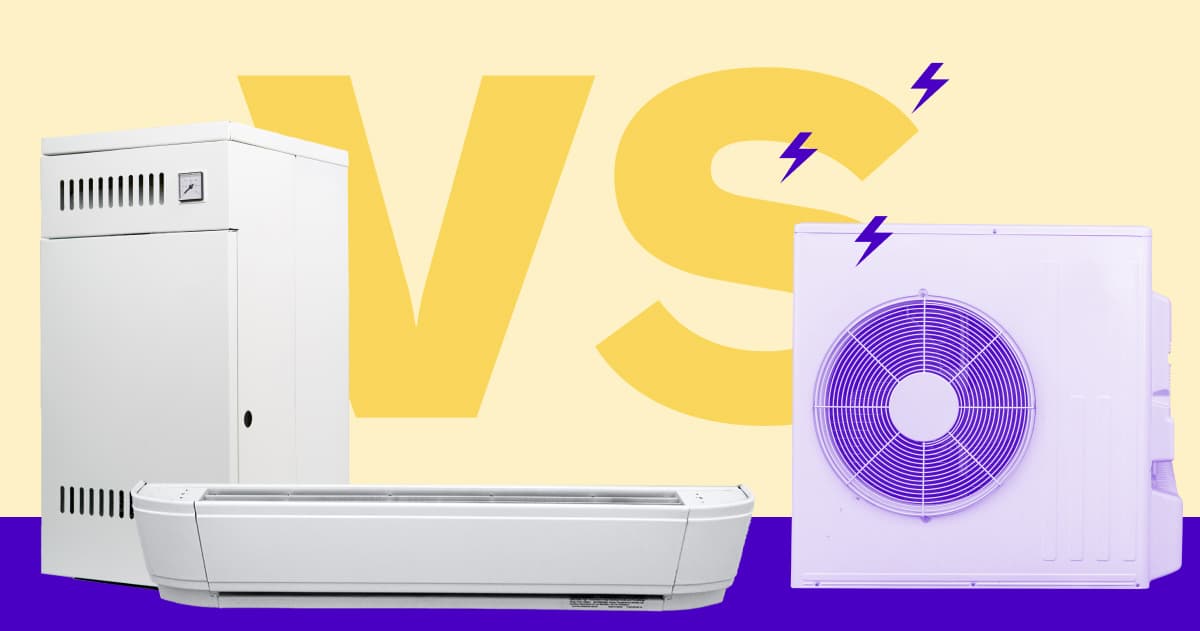
Credit: intheeye.pl
Electric Furnace Basics
Electric furnaces are common heating systems in many homes. They use electricity to heat air and warm your living space. Understanding how they work helps you compare them with other heaters, like baseboard models.
Electric furnaces offer a simple way to keep your home warm. They rely on basic parts and clear processes. Knowing these basics makes it easier to decide if an electric furnace suits your needs.
How Electric Furnaces Work
Electric furnaces heat air using electrical resistance. Electricity passes through heating elements. These elements get hot and warm the air around them.
A fan blows the warm air into your home’s ducts. This air moves through rooms, raising the temperature. The furnace stops heating when the set temperature is reached.
Key Components
The main parts include heating elements, a blower fan, and a thermostat. Heating elements create heat through electric current. The blower fan moves warm air into your home.
The thermostat controls the furnace. It turns the system on and off based on room temperature. Safety switches prevent overheating and other risks.
Energy Efficiency
Electric furnaces convert almost all electricity into heat. This makes them very efficient in energy use. They do not lose heat through exhaust gases like gas furnaces.
Electric furnaces have no flue or chimney, reducing heat loss. Their efficiency can lower your electricity bills. Proper maintenance keeps them running efficiently for years.
Credit: homes.rewiringamerica.org
Baseboard Heaters Explained
Baseboard heaters are common heating devices in many homes. They provide warmth by heating the air near the floor. These heaters are easy to use and quiet. They do not take much space and blend well with room decor.
Understanding how baseboard heaters work helps you decide if they fit your heating needs. The following sections explain the types, operation, and installation of baseboard heaters.
Types Of Baseboard Heaters
There are two main types of baseboard heaters: electric and hydronic. Electric baseboard heaters use electric resistance to produce heat. Hydronic baseboard heaters use hot water heated by a boiler. Both types give steady and even warmth in rooms.
Operation Mechanism
Baseboard heaters warm the air by heating metal fins inside the unit. The warm air rises naturally and circulates around the room. This process is called convection. It helps spread heat without fans or blowers, making the heater quiet.
Installation Process
Installing electric baseboard heaters requires mounting them on the wall near the floor. They need a dedicated electrical circuit and proper wiring for safety. Hydronic baseboard heaters connect to a boiler system and require plumbing for hot water flow. Proper installation ensures efficient and safe heating.
Heating Performance Comparison
Heating performance is key when choosing between an electric furnace and baseboard heaters. This section compares their ability to warm your space effectively. Understanding these differences helps pick the best option for your home comfort.
Heat Distribution
Electric furnaces push warm air through ducts, heating the entire home evenly. This creates a consistent temperature in every room. Baseboard heaters warm the air near the floor in each room. Heat stays local, causing some areas to feel warmer than others.
Warm-up Time
Electric furnaces heat up quickly by blowing hot air fast. This means your home feels warm soon after turning it on. Baseboard heaters take longer. They slowly warm the air and nearby surfaces, so the heat builds up over time.
Temperature Control
Electric furnaces often connect to a central thermostat. This lets you control the temperature for the whole house easily. Baseboard heaters usually have individual controls for each unit. This allows room-by-room temperature adjustments but requires manual effort.

Credit: www.angi.com
Energy Consumption And Costs
Energy use and costs play a big role when choosing heating systems. Both electric furnaces and baseboard heaters use electricity but in different ways. Knowing their energy consumption helps save money and reduce waste. This section breaks down how each heater works and what it means for your bills.
Electric Furnace Efficiency
Electric furnaces turn electricity into heat with nearly 100% efficiency. They heat air quickly and push it through ducts. This spreads warm air evenly in the house. The furnace runs only when heating is needed, which can save energy. Yet, duct losses may lower overall efficiency slightly.
Baseboard Heater Energy Use
Baseboard heaters use electric resistance to warm the room. Each heater works independently, warming only one area. This method can be less efficient for whole-house heating. They run constantly to keep the temperature steady, which may increase energy use. Still, they allow control of individual rooms.
Long-term Cost Analysis
Electric furnaces cost more to install but can save money over time. Their efficient air distribution lowers heating expenses in larger homes. Baseboard heaters have lower upfront costs but may lead to higher electric bills. Choosing depends on home size, insulation, and heating needs. Energy efficiency impacts long-term savings significantly.
Installation And Maintenance
Installation and maintenance play a big role in choosing between an electric furnace and baseboard heaters. Both systems have unique needs. Understanding these can help you save time and money. Let’s explore the setup and care for each option.
Setup Requirements
Electric furnaces need a dedicated space for installation. They connect to your home’s main electrical panel. This may require a professional electrician. Baseboard heaters are easier to install. They mount directly on walls and plug into standard outlets. No complex wiring is usually needed. Both systems must follow local safety codes.
Maintenance Needs
Electric furnaces require regular inspections. Checking electrical connections and filters is important. This keeps the system running safely. Baseboard heaters need less upkeep. Dusting the units often is enough. Avoid blocking the heaters to maintain good airflow. Both systems benefit from annual checks by a technician.
Durability And Lifespan
Electric furnaces often last 20 years or more. They have few moving parts, reducing wear. Baseboard heaters can last 15 to 20 years. Their simple design helps them stay reliable. Proper maintenance extends life for both systems. Choosing quality products also adds to durability.
Safety Considerations
Safety is a key factor in choosing between an electric furnace and baseboard heaters. Both have risks and safety features that affect your home environment.
Understanding these points helps you keep your family and property safe while staying warm.
Common Risks
Electric furnaces can overheat or cause electrical fires if not maintained. Baseboard heaters may cause burns if touched accidentally. Dust buildup can also create fire hazards in both systems. Poor installation increases the chance of accidents. Watch for signs like strange smells or unusual noises.
Safety Features
Electric furnaces often include automatic shut-off switches to prevent overheating. Baseboard heaters usually have a cool-touch surface to reduce burn risks. Both systems can have built-in circuit breakers to stop electrical faults. Many models come with safety grills to protect from direct contact. These features lower the chance of accidents significantly.
Preventive Measures
Keep heaters clean and dust-free to avoid fire risks. Do not place flammable items near baseboard heaters. Schedule regular inspections by a licensed technician. Use heaters according to the manufacturer’s instructions. Install smoke detectors and check them often. These steps help maintain a safe heating system.
Environmental Impact
Choosing between an electric furnace and baseboard heaters affects the environment. Each heating option uses energy differently. This difference shapes their impact on the planet. Understanding this helps in making smart, eco-friendly choices.
Energy Source Implications
Electric furnaces and baseboard heaters rely on electricity. The source of this electricity matters most. If it comes from coal or oil, pollution is higher. Clean sources like wind or solar lower environmental harm. Baseboard heaters often use electricity directly. Electric furnaces may need more power but heat larger spaces. Energy use depends on efficiency and how the electricity is made.
Carbon Footprint
Carbon footprint measures greenhouse gases released by heating. Electric furnaces usually emit less carbon if powered by clean energy. Baseboard heaters might waste more energy, raising their carbon footprint. Using electricity from fossil fuels increases carbon output. Switching to renewable energy cuts these emissions. Monitoring energy efficiency also reduces carbon impact.
Sustainability Factors
Sustainability means using resources without harming the future. Electric furnaces last longer and often have better controls. Baseboard heaters are simpler but may use more power. Choosing appliances with good energy ratings helps. Regular maintenance keeps systems efficient. Using renewable energy with either option boosts sustainability. Smart heating choices support a healthier planet.
Choosing The Right Heater
Choosing the right heater can make your home warm and cozy. Different heaters work best for different homes. Consider your needs before deciding. Think about your home size, budget, and comfort level. These factors help you pick the best heater.
Home Size And Layout
Large homes may need stronger heating systems. Electric furnaces work well for bigger spaces. They spread warm air evenly through vents. Small rooms or apartments suit baseboard heaters. Baseboard heaters fit under windows and heat small areas fast.
Budget Factors
Electric furnaces cost more upfront. They need ducts and professional installation. Baseboard heaters are cheaper to buy and install. They do not require complex systems. Think about long-term energy costs too. Electric furnaces may save money on bills over time.
Comfort Preferences
Electric furnaces provide steady, whole-house warmth. They keep temperature consistent in every room. Baseboard heaters offer direct heat near the floor. They let you control heat room by room. Choose based on how you want your home to feel.
Frequently Asked Questions
What Is The Main Difference Between Electric Furnaces And Baseboard Heaters?
Electric furnaces heat air and blow it through ducts, while baseboard heaters warm a room by radiating heat along the wall. Furnaces can heat the whole house, baseboards usually heat single rooms.
Which Heating Option Is More Energy Efficient?
Electric furnaces are generally more energy efficient for heating large spaces due to better air circulation. Baseboard heaters are less efficient but work well in small rooms or zones.
How Much Does It Cost To Install Each Heating System?
Electric furnace installation typically costs more because of ductwork and equipment. Baseboard heaters are cheaper and easier to install with simple wiring.
Are Electric Furnaces Or Baseboard Heaters Safer To Use?
Both are safe if installed correctly, but electric furnaces have built-in safety features. Baseboard heaters can get hot to touch, so caution is needed around children.
Which System Provides Faster Heating For A Room?
Electric furnaces heat rooms faster by pushing warm air quickly. Baseboard heaters take longer as they warm the air slowly through radiation.
Can I Use Baseboard Heaters In Any Home?
Baseboard heaters work best in homes without ductwork or for heating specific rooms. They fit older or smaller homes well but may not suit large spaces.
Conclusion
Choosing between an electric furnace and baseboard heaters depends on your needs. Electric furnaces heat the entire home quickly and evenly. Baseboard heaters work well in small spaces or rooms. Both use electricity but differ in cost and efficiency. Consider your budget, space size, and heating preferences.
Each option has benefits and drawbacks to weigh. Think about long-term energy use and comfort. This helps you pick the best heater for your home. Simple choices lead to warm, cozy rooms all winter.