
Have you ever wondered if forced air heaters are louder than they should be? Maybe your heater sounds like a jet engine, or you’re just curious about what’s normal.
Understanding the noise level of your heater can save you from sleepless nights and annoying distractions. You’ll discover why forced air heaters make noise, what sounds are normal, and when it’s time to take action. Keep reading to find out how to enjoy warmth without the unwanted roar.
Credit: www.warmlyyours.com
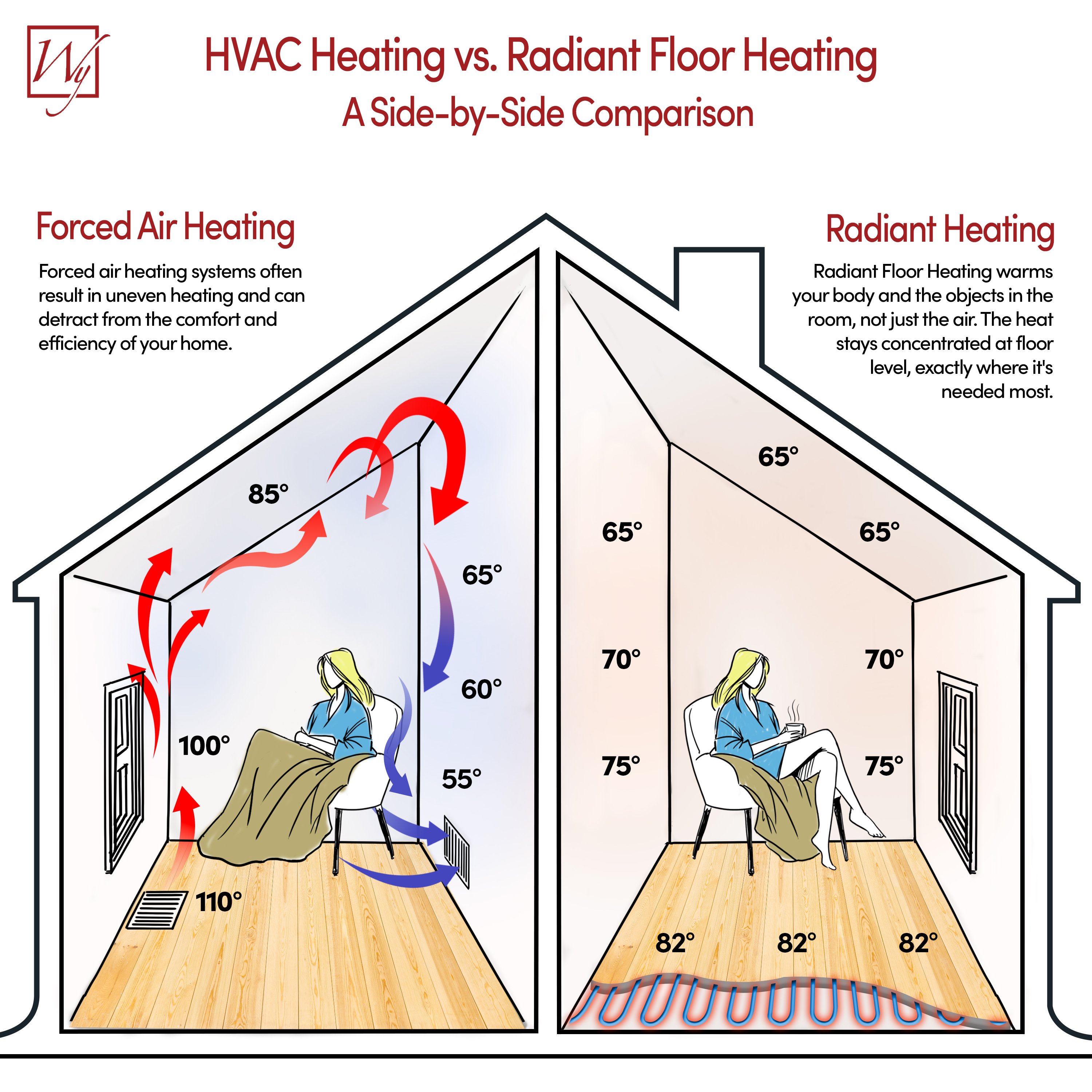
How Forced Air Heaters Work
Understanding how forced air heaters work helps explain their noise levels. These heaters warm up spaces by moving air through a system. The process involves several parts working together. This section breaks down the basics for easy understanding.
Basic Components
Forced air heaters have key parts. A furnace or heating element creates heat. A blower fan moves air across the heat source. Ducts carry the warm air to rooms. A thermostat controls the temperature. Each part plays a role in heating your home.
Airflow Mechanics
The blower fan pushes air through the ducts. Air passes over the hot surface inside the furnace. It heats up and travels through the vents into rooms. The fan speed affects how fast air moves. Faster airflow can cause more noise. The design of ducts also changes sound levels.
Credit: ghpgroupinc.com
Common Noise Sources
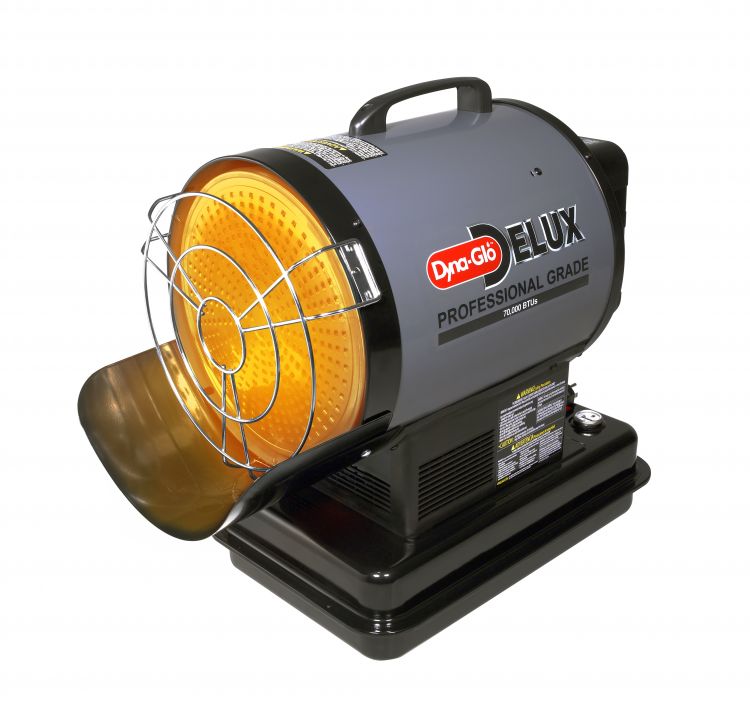
Forced air heaters can make different sounds during operation. Some noises are normal, while others may need attention. Understanding common noise sources helps you know what to expect and when to check your heater.
Blower Motor Sounds
The blower motor moves warm air through your home. It can create humming or buzzing sounds. Sometimes, the motor makes clicking or rattling noises if parts are loose or worn out. Regular maintenance keeps the motor running quietly.
Ductwork Vibrations
Ducts carry warm air from the heater to rooms. Loose or poorly installed ducts can vibrate or rattle. These noises increase when the heater starts or stops. Tightening or insulating ducts reduces vibrations and noise.
Airflow Whistles
Whistling sounds come from air moving through small openings. Narrow ducts or blocked vents cause this noise. Cleaning vents and checking for obstructions helps stop whistles. Proper duct size also prevents high-pitched airflow sounds.
Factors Influencing Noise Levels
Noise from forced air heaters varies widely. Several key factors shape how loud these heaters sound. Understanding these can help you choose or maintain a quieter system.
Age And Condition
Older heaters tend to be louder due to worn parts. Components like fans and motors degrade over time. Dust and debris can build up, causing extra noise. Regular maintenance keeps these heaters quieter and more efficient.
Installation Quality
Proper installation reduces noise significantly. Poorly mounted heaters can vibrate against walls or floors. Loose ducts may rattle during operation. Expert installation ensures stable and quiet performance.
Heater Size And Type
Larger heaters often produce more noise because they move more air. Different types of forced air heaters also vary in sound. Some models use quieter motors or better insulation. Choosing the right size and type matters for noise levels.
Noise Comparison With Other Heater Types
Noise levels vary among different types of heaters. Understanding these differences helps you choose the best heater for your space. Forced air heaters often make noise due to fans. Other heaters operate differently and may be quieter.
Radiant Heaters
Radiant heaters use infrared light to warm objects. They do not have fans or moving parts. This means they are almost silent. Radiant heaters work quietly in bedrooms or offices. They offer warmth without distracting noise.
Baseboard Heaters
Baseboard heaters use electricity to heat metal fins. They do not have fans either. The heat spreads by natural air flow. This process is very quiet. You might hear a slight crackling sound sometimes. Overall, baseboard heaters are much quieter than forced air heaters.
Heat Pumps
Heat pumps use a compressor and fans to move warm air. The fans cause some noise, but it is often softer. Heat pumps can be quieter than forced air heaters. They balance noise and efficient heating well. Many models include noise reduction technology.
Tips To Reduce Forced Air Heater Noise
Forced air heaters can sometimes produce unwanted noise. This noise can disturb your peace and comfort. Reducing the sound is possible with a few simple steps. These tips help keep your heater running quietly and efficiently.
Regular Maintenance
Regular maintenance keeps your heater working well. Clean or replace air filters often. Dirty filters make the heater work harder and louder. Check the blower motor and fan for dust and debris. Tighten loose parts to stop rattling sounds. A well-maintained heater runs quietly and lasts longer.
Duct Insulation
Ducts can carry noise throughout your home. Insulating the ducts helps absorb sound and reduce echoes. Use foam or fiberglass insulation around ductwork. This lowers the noise from air moving through the system. Properly sealed ducts also prevent air leaks that cause whistling sounds.
Upgrading Components
Old parts may cause extra noise in your heater. Upgrade noisy components like the blower motor or fan. Newer, quieter models are available and easy to install. Consider installing vibration pads to reduce shaking sounds. Upgrading parts improves comfort and lowers noise levels.
When To Call A Professional
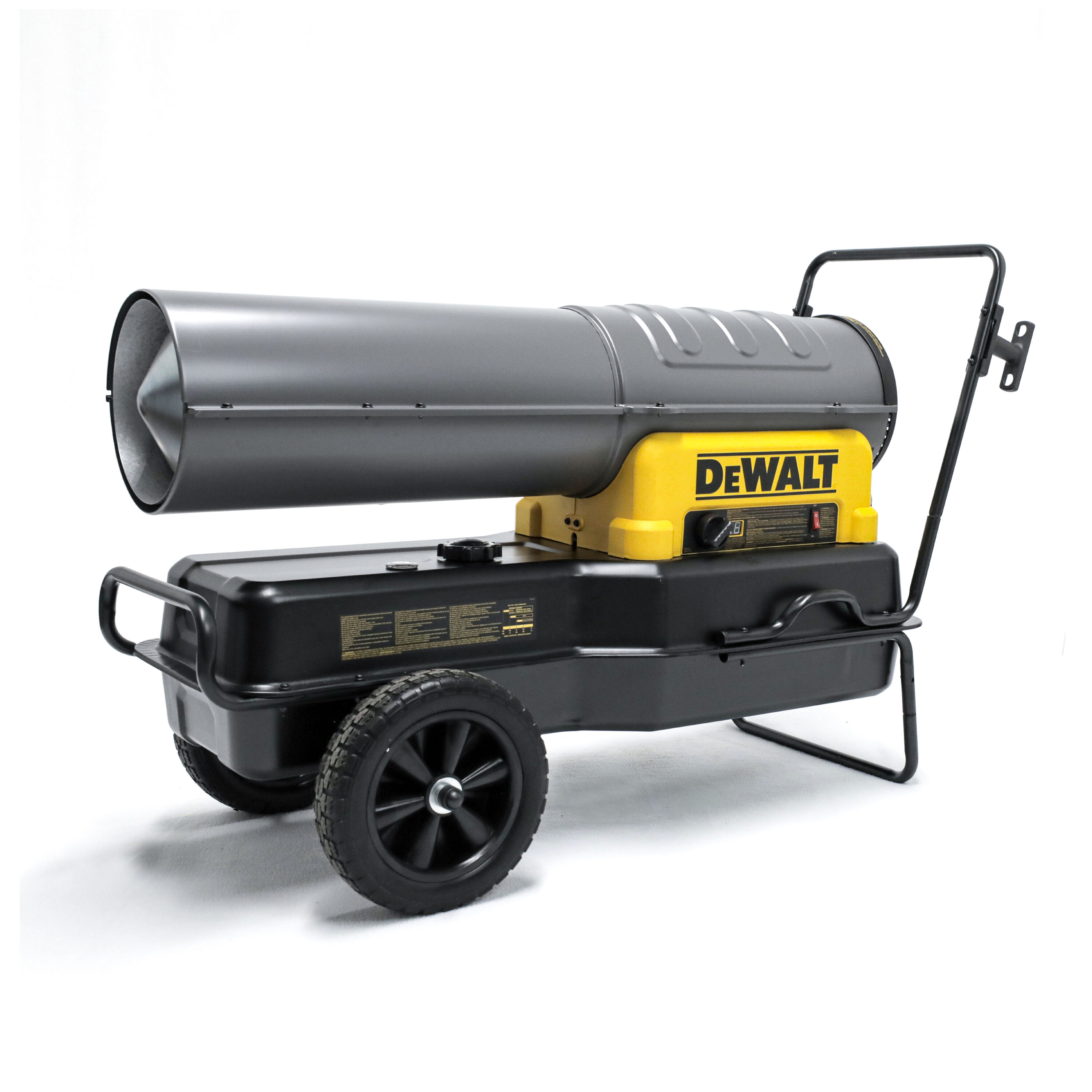
Forced air heaters make some noise during normal use. You might hear the fan running or the air moving. Most sounds are usual and not a worry. But some noises mean your heater needs a check-up. Knowing when to call a professional can save you money and keep your home safe.
Unusual Sounds
Strange noises like banging, rattling, or squealing are not normal. These sounds may show loose parts or worn-out belts. They can also mean dust or debris is stuck inside. Ignoring these noises can cause bigger damage.
Listen for any changes in your heater’s sounds. If you hear something new or odd, it’s time for a professional to inspect it. Early repairs prevent breakdowns and higher costs.
Persistent Noise Issues
Sometimes, your heater may make noise for a long time. If the noise does not stop after cleaning or simple fixes, call an expert. Persistent sounds can point to motor or blower problems.
Continuous noise can reduce heater efficiency and increase energy bills. A professional can find the root cause and fix it safely. Do not wait until the noise causes a full failure.
Credit: www.lowes.com
Frequently Asked Questions
Why Do Forced Air Heaters Make Noise?
Forced air heaters use fans to blow warm air, which causes some noise. The sound comes from the motor and air moving through ducts. Normal operation means you will hear some level of noise.
How Loud Are Typical Forced Air Heaters?
Most forced air heaters produce noise between 40 and 60 decibels. This is similar to a quiet conversation or background music. It is loud enough to notice but usually not disturbing.
Can Forced Air Heater Noise Be Reduced?
Yes, noise can be lowered by regular maintenance and cleaning. Tightening loose parts and lubricating the motor also helps. Using soundproofing materials around ducts can reduce noise further.
Is Forced Air Heater Noise Harmful?
The noise from forced air heaters is generally not harmful to hearing. It may cause mild annoyance if very loud or constant. Using quieter models or sound dampening can improve comfort.
Do All Forced Air Heaters Sound The Same?
No, noise levels vary by heater model and size. Newer models tend to be quieter due to better design. Older or poorly maintained units usually make more noise.
When Should I Worry About Forced Air Heater Noise?
Loud banging, rattling, or unusual sounds may indicate a problem. These sounds suggest mechanical issues needing professional repair. Regular checks help catch noise issues early.
Conclusion
Forced air heaters can make some noise during operation. The sound depends on the model and maintenance. Regular cleaning helps reduce loud noises. Some units run quieter than others. Choosing the right heater can improve comfort at home. Noise levels usually decrease as the system warms up.
Understanding these points helps set realistic expectations. Quiet heating is possible with proper care and selection.