
Are you wondering if all air handlers come with heaters? It’s a common question because understanding your HVAC system can save you money and keep your home comfortable.
Whether you want to upgrade or just learn more about how your system works, knowing the answer can help you make smarter choices. Keep reading to discover the truth about air handlers and heaters—this knowledge could change how you manage your home’s heating and cooling.
What Air Handlers Do
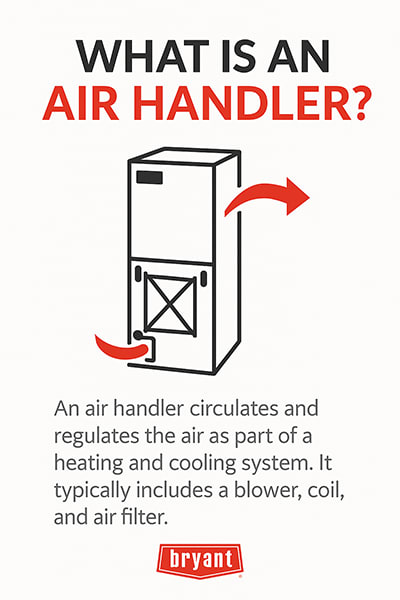
Air handlers are key parts of heating and cooling systems. They move air through your home or building. This keeps the air fresh and comfortable.
These devices work with other system parts like furnaces and air conditioners. They help control temperature and air quality.
Air Circulation
Air handlers push air through ducts to different rooms. This helps spread warm or cool air evenly. Without air handlers, air would not flow well.
Air Filtration
Most air handlers have filters. They clean dust, pollen, and other particles from the air. This improves indoor air quality and protects your health.
Temperature Control
Air handlers often work with heating or cooling parts. They help adjust air temperature to your settings. Some models include heaters to warm the air directly.
Humidity Regulation
Some air handlers manage moisture levels. They keep air from becoming too dry or too damp. This helps prevent mold and keeps comfort high.
Credit: www.bryant.com
Types Of Air Handlers
Air handlers come in several types, each designed for specific heating and cooling needs. These units circulate air throughout homes or buildings. They work with your HVAC system to keep indoor air comfortable.
Different types of air handlers may or may not have heaters. Knowing their differences helps you choose the right one.
Standard Air Handlers
Standard air handlers move air without built-in heating. They rely on an external furnace or heat pump for warmth. These units focus on air circulation and cooling.
Air Handlers With Electric Heaters
Some air handlers include electric heaters inside. These heaters provide extra warmth during cold days. This type is common in areas with mild winters.
Air Handlers With Gas Heaters
This type connects to a gas line for heating. It heats air quickly and efficiently. Gas heaters are ideal for colder climates.
Heat Pump Air Handlers
Heat pump air handlers can heat and cool air. They use electricity to move heat inside or outside. These units are energy-efficient and versatile.
Variable Speed Air Handlers
Variable speed models adjust fan speed for comfort. They provide consistent temperature and save energy. Some include built-in heaters for warmth.
Role Of Heaters In Air Handlers
Heaters in air handlers help warm the air before it enters your rooms. They keep indoor spaces comfortable during cold weather. Without heaters, air handlers only move air but do not change its temperature.
The heater works by adding heat to the air stream inside the air handler. This process prevents cold air from blowing into your home. It also helps maintain a steady temperature throughout the house.
How Heaters Warm The Air
Heaters use electricity or gas to create heat. The warm air then flows through ducts to reach different rooms. This method quickly raises the indoor temperature.
Types Of Heaters In Air Handlers
Some air handlers use electric heating elements. Others may use hot water or steam coils. Each type warms air differently but serves the same purpose.
Benefits Of Having Heaters In Air Handlers
Heaters improve comfort by preventing cold drafts. They help save energy by working with your main heating system. This can lower heating costs during winter months.

Credit: floridahomeac.com
Which Air Handlers Include Heaters
Not all air handlers come with heaters. Some models have built-in heating elements, while others do not. Knowing which air handlers include heaters helps you choose the right system for your home or business.
Heating can be essential in cold climates or during winter. Air handlers with heaters provide warm air directly through the duct system. This feature adds comfort and can reduce the need for separate heating units.
Air Handlers With Electric Heaters
Many air handlers include electric heaters as a standard option. These heaters use electric coils to warm the air. They are easy to install and work well in small to medium spaces. Electric heaters offer fast heat and simple control.
Air Handlers With Gas Heaters
Some air handlers use gas heaters for warmth. These models connect to natural gas or propane lines. Gas heaters provide strong heating power and are efficient for larger spaces. They require proper ventilation and professional installation.
Heat Pump Air Handlers
Heat pump air handlers can both cool and heat air. They use a refrigeration cycle to move heat instead of creating it. This makes them energy-efficient and eco-friendly. Heat pumps work best in moderate climates.
Air Handlers Without Heaters
Basic air handlers often do not have heaters. These units focus only on moving air for cooling or ventilation. They require a separate furnace or heating system to provide warmth. This setup allows flexibility in choosing heating options.
Benefits Of Built-in Heaters
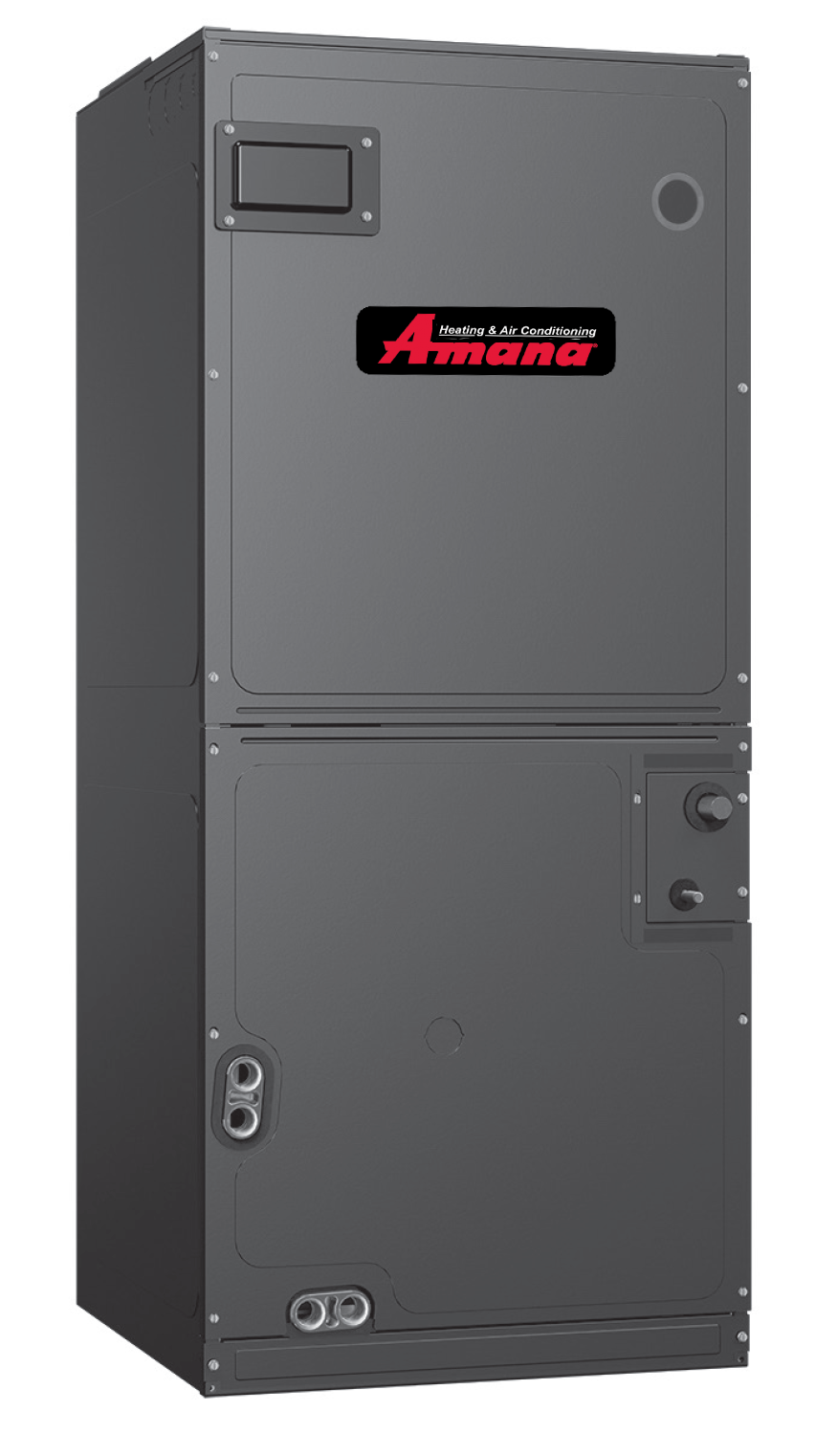
Built-in heaters in air handlers offer several important benefits. They help warm your space quickly and efficiently. This feature adds comfort during cold seasons without needing a separate heating system.
Many people prefer air handlers with heaters because they save space. These units combine heating and air circulation in one device. This setup reduces the need for multiple appliances and cuts down on installation costs.
Improved Energy Efficiency
Built-in heaters use less energy than separate heating units. They work directly with the air handler’s fan to spread warm air evenly. This reduces energy waste and lowers utility bills.
Better Temperature Control
Air handlers with heaters allow precise temperature settings. You can adjust the heat easily to match your comfort level. This control helps avoid overheating and keeps your home cozy.
Space-saving Design
Combining heating and air handling saves valuable space. These units are compact and fit easily into small areas. This is ideal for homes with limited room for extra equipment.
Quick And Even Heating
Built-in heaters warm up spaces faster than separate heaters. The air handler circulates the warm air quickly throughout the room. This results in consistent and comfortable temperatures.
Lower Installation Costs
Installing one unit with both heating and air handling reduces labor costs. Fewer parts mean simpler setup and less maintenance. This saves money in the long run.
Credit: www.amana-hac.com
Alternatives To Heater-equipped Air Handlers
Not all air handlers come with built-in heaters. Many systems use other ways to keep your space warm. These alternatives can work well and save energy.
Choosing the right option depends on your home’s setup and climate. Some methods focus on heating the air before it reaches the air handler. Others use separate equipment to warm your home.
Electric Heat Strips
Electric heat strips are common add-ons for air handlers. They heat air by running electricity through metal coils. These strips turn on only when heat is needed. They provide quick warmth and fit inside the air handler easily.
Heat Pumps
Heat pumps move warm air from outside to inside. They work well in mild climates. Heat pumps use less electricity than electric heaters. They can also cool your home in summer.
Furnaces
Furnaces burn gas, oil, or propane to heat air. They send warm air through ductwork connected to the air handler. Furnaces offer strong heating for cold areas. They often work alongside air handlers for better comfort.
Radiant Floor Heating
Radiant floor heating warms rooms from the ground up. It uses hot water pipes or electric mats under floors. This method does not rely on air handlers. It creates gentle, even heat throughout the space.
Factors Influencing Heater Installation
Many factors affect whether an air handler has a heater installed. These factors depend on the building’s needs and climate conditions. Understanding these helps decide if a heater is necessary.
Each factor plays a role in the comfort and efficiency of the HVAC system. Choosing the right setup ensures proper heating and cooling throughout the year.
Climate And Temperature Needs
Cold climates often require heaters in air handlers. Warmer areas may not need them at all. The local weather guides this choice to keep indoor spaces comfortable.
Building Size And Insulation
Large buildings or those with poor insulation may need extra heating. Smaller, well-insulated buildings might not require a heater in the air handler. This helps maintain even temperatures inside.
Type Of Hvac System
Some HVAC systems combine heating and cooling in one unit. Others use separate units for heat. The system design impacts whether a heater is part of the air handler.
Energy Efficiency Goals
Adding a heater affects energy use. Some prefer efficient heat pumps or furnaces instead. Energy goals influence the decision to install a heater in the air handler.
Budget And Installation Costs
Installing a heater adds to the initial cost. Maintenance and operation costs also rise. Budget limits can influence whether a heater is included.
Energy Efficiency Considerations
Energy efficiency is a key factor when choosing or using air handlers. It affects your energy bills and comfort. Not all air handlers have heaters, and those with heaters may use different energy levels. Understanding how heaters impact efficiency helps you make better decisions.
How Heaters Affect Energy Use
Heaters in air handlers add warmth to the air. This uses more electricity or fuel. The size and type of the heater change how much energy it uses. Some heaters are more efficient than others. Knowing this helps control your energy costs.
Types Of Heaters In Air Handlers
Electric heaters are common in air handlers. They are easy to install but can use a lot of electricity. Gas heaters use natural gas and may save money in some areas. Heat pumps are another option. They move heat instead of creating it, using less energy.
Energy-saving Tips For Air Handlers With Heaters
Set the temperature only as high as needed. Use a programmable thermostat to avoid waste. Regular maintenance keeps heaters running well. Clean or replace filters often. Seal ducts to prevent heat loss. These steps reduce energy use and save money.
Maintenance Tips For Heater Systems
Heater systems in air handlers need regular care to work well. Good maintenance keeps the system safe and saves money on repairs. Simple steps help avoid big problems and make heaters last longer.
Check And Replace Air Filters
Dirty air filters block airflow and lower heater efficiency. Check filters every month during cold seasons. Replace them if they look clogged or dusty. Clean filters help air move freely and reduce energy use.
Inspect Heater Components
Look at heater parts like coils and fans for dirt or damage. Dust buildup can cause overheating or failure. Clean parts gently with a soft brush or cloth. Tighten loose screws and connections to keep parts secure.
Test The Thermostat
Thermostats control the heater’s temperature. Test it regularly to ensure it reads correctly. Replace batteries if needed. Set the thermostat to different temperatures and check if the heater responds fast.
Clear The Drain Line
Heaters often have drain lines to remove moisture. Blocked drain lines cause water leaks and damage. Pour a small amount of vinegar into the drain to clear clogs. Repeat this process every few months for safety.
Schedule Professional Inspections
Experts find hidden problems early. Call a technician once a year to inspect your heater system. Professionals clean deep parts and check for gas leaks or electrical issues. This service keeps your heater safe and working well.
Common Misconceptions About Air Handler Heaters
Many people have wrong ideas about air handler heaters. These ideas cause confusion about how air handlers work. Understanding the truth helps you make better decisions about heating and cooling your home.
Some think all air handlers have built-in heaters. This is not true. Air handlers mainly move air, not heat it. Not every model includes a heating element.
Not All Air Handlers Include Heaters
Air handlers are designed to circulate air in HVAC systems. Some units have electric heaters, but many do not. The main job is to move air, not to heat it.
Heaters In Air Handlers Are Often Optional
Heaters can be added to air handlers if needed. This depends on the climate and system design. Many systems use a separate furnace or heat pump for heating.
Air Handlers Work With Different Heating Systems
Air handlers connect with heat pumps, furnaces, or electric heaters. They work as part of a bigger system. The air handler moves warm or cool air throughout the home.
Electric Heaters In Air Handlers Use More Energy
Electric heaters in air handlers consume more power than heat pumps. They are best for mild heating needs or backup heat. Using them alone can raise energy bills quickly.
Frequently Asked Questions
Do All Air Handlers Include Built-in Heaters?
Not all air handlers have built-in heaters. Some only move air, while others can heat or cool it. It depends on the system design.
Can I Add A Heater To An Air Handler Later?
Yes, many air handlers allow heater installation after purchase. A professional can install an electric or gas heater as needed.
What Types Of Heaters Work With Air Handlers?
Electric strip heaters and gas furnaces commonly work with air handlers. These heaters warm the air before distribution in the home.
Why Do Some Air Handlers Lack Heating Features?
Some air handlers are designed only for air circulation or cooling. Heating is handled separately by furnaces or heat pumps.
How Do Air Handlers With Heaters Save Energy?
Heaters in air handlers can quickly warm air, reducing energy waste. Modern units often use efficient heating elements for savings.
Is A Heater In The Air Handler Necessary For All Climates?
Heaters in air handlers are more useful in cold climates. In warm areas, air handlers may only need to cool or circulate air.
Conclusion
Not all air handlers have heaters built inside. Some models only move air for cooling or ventilation. Adding a heater depends on your home’s needs and climate. Choosing the right air handler helps keep your space comfortable year-round. Always check product details before buying to know if it includes a heater.
This way, you avoid surprises and get the system you want. Understanding these basics makes your decision easier and smarter.