Are air heaters harming your health without you even knowing it? You rely on them to keep warm, but could they be causing more problems than comfort?
Before you turn up the heat, it’s important to understand what air heaters do to the air you breathe every day. You’ll discover surprising facts about air heaters and learn how they might affect your well-being. Keep reading to find out if your heater is truly safe or if it’s time to rethink your heating choices.
How Air Heaters Work
Air heaters are common devices used to warm indoor spaces. They work by generating heat and distributing it through the air. Understanding how air heaters function helps us know their effects on health and comfort. This section explains the types of air heaters and how they produce heat.
Types Of Air Heaters
There are several types of air heaters. The most common include electric heaters, gas heaters, and oil-filled heaters. Electric heaters use electrical energy to create heat. Gas heaters burn natural gas or propane to warm the air. Oil-filled heaters use heated oil inside metal fins to release warmth slowly. Each type has different features and heating methods.
Heating Mechanisms Explained
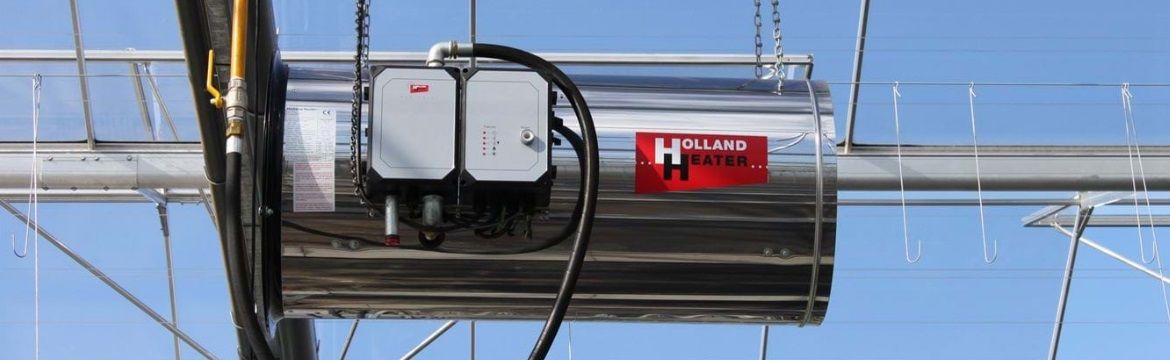
Electric heaters use resistance coils that heat up when electricity passes through them. A fan often blows air over the hot coils to spread warmth quickly. Gas heaters ignite fuel to create hot gases. These gases heat a metal surface that warms the air around it. Oil-filled heaters heat oil inside the unit. The oil stays hot longer, providing steady heat without a fan.
Credit: royalbrinkman.com
Health Risks Linked To Air Heaters
Using air heaters can affect your health in several ways. These devices change the air inside your home. This change can sometimes cause problems for your body. Understanding these risks helps you stay safe and comfortable.
Air Quality Concerns
Air heaters can lower indoor air quality. They often dry out the air, removing moisture. Dry air makes dust and allergens float more easily. This can make breathing harder. Some heaters also spread tiny particles from dust and dirt. Poor air quality can affect everyone in the home.
Respiratory Issues
Dry air from heaters can irritate your lungs. It may cause coughing, wheezing, or shortness of breath. People with asthma or allergies feel this more. Breathing dry, dusty air can worsen their symptoms. Using heaters without proper ventilation increases these risks.
Skin And Eye Irritation
Heated air often dries out skin and eyes. This can cause itching, redness, and discomfort. Sensitive skin may become flaky or cracked. Eyes may feel dry and sore after long exposure. Keeping skin and eyes moist is important in heated rooms.
Common Misconceptions About Air Heaters
Many people have concerns about air heaters. Some think they cause health problems or safety risks. These ideas often come from misunderstandings or old information. Clearing up these myths helps people use air heaters safely and comfortably.
Do They Cause Dryness?
Air heaters warm the air but do not remove moisture. Some believe heaters dry out the air too much. This is not true for all types of heaters. Radiant heaters, for example, do not affect humidity. Forced-air heaters may reduce moisture slightly. Using a humidifier can keep the air comfortable. Drinking water also helps prevent dryness.
Are They Fire Hazards?
Air heaters can cause fires if not used correctly. Placing heaters near flammable items is dangerous. Most modern heaters have safety features like automatic shut-off. These features reduce the risk of fire. Always follow the manufacturer’s instructions. Keep heaters away from curtains, paper, and furniture. Regularly check cords and plugs for damage.
Safe Usage Tips
Using air heaters safely helps avoid health risks and accidents. Small actions can keep your home warm without harm. Follow these tips to use air heaters the right way.
Proper Ventilation
Always keep rooms well ventilated when running an air heater. Open a window or door slightly to let fresh air in. This prevents harmful gases from building up inside. Good airflow keeps the air clean and safe to breathe.
Maintenance And Cleaning
Regularly clean your air heater to stop dust and dirt buildup. Dust can block airflow and reduce heater efficiency. Check the filters and replace them if needed. Clean heaters work better and last longer.
Choosing The Right Heater
Pick an air heater that fits your room size and needs. Avoid heaters that use too much power or create strong fumes. Electric heaters are often safer indoors. Choose models with safety features like automatic shut-off.
Alternatives To Air Heaters
Air heaters can cause dry air and uneven warmth. Many people seek safer and healthier ways to stay warm. Several alternatives provide comfort without the drawbacks of air heaters. These options use different technology to keep your space cozy and safe.
Radiant Heaters
Radiant heaters warm objects and people directly. They do not blow air, so they do not dry out the room. These heaters use infrared rays to create heat. This method feels natural and is energy efficient. Radiant heaters work well in small spaces or for spot heating.
Heat Pumps
Heat pumps transfer heat from outside to inside your home. They work even in cold weather. Heat pumps use less energy than traditional heaters. They also provide cooling in the summer. This makes them useful all year round. Heat pumps keep the air fresh and avoid dryness.
Electric Blankets
Electric blankets provide direct warmth to your body. They are energy efficient and easy to use. You can control the heat level for comfort. Electric blankets reduce the need to heat the whole room. They are ideal for cold nights and save money on heating bills.
Credit: www.airexpertsnj.com
Credit: www.sears.com
Frequently Asked Questions
Can Air Heaters Cause Dry Skin Or Irritation?
Air heaters can reduce indoor humidity, which may dry out your skin. Using a humidifier helps keep skin moist and comfortable.
Do Air Heaters Affect Indoor Air Quality Negatively?
Some air heaters may spread dust or allergens if not cleaned regularly. Proper maintenance ensures cleaner air and healthier breathing.
Is It Safe To Sleep With An Air Heater On?
Sleeping with an air heater on is generally safe if used correctly. Avoid direct heat on your body to prevent discomfort or dryness.
Can Air Heaters Increase The Risk Of Respiratory Problems?
Poorly maintained air heaters can worsen respiratory issues by circulating dust or mold. Regular cleaning reduces this risk and improves air quality.
How Do Air Heaters Impact Electricity Bills?
Air heaters can increase electricity use, especially if used for long periods. Choosing energy-efficient models helps save money on bills.
Are Some Air Heaters Safer Than Others For Home Use?
Yes, electric heaters with safety features like automatic shut-off are safer. Always follow manufacturer instructions to prevent accidents or fires.
Conclusion
Air heaters can affect air quality and skin health. Using them safely matters. Keep rooms ventilated and avoid long exposure. Choose heaters with good safety features. Regular cleaning helps reduce dust and germs. Balance warmth with fresh air for comfort.
Small steps protect your health and home. Stay informed and use air heaters wisely.