Are you thinking about using a forced air heater to warm up your space? Before you turn it on, it’s important to know if these heaters are truly safe for you and your loved ones.
You might have heard mixed opinions or seen warnings that leave you wondering what’s real and what’s just fear. This article will clear up the confusion, helping you understand the risks and how to keep your home cozy without worry.
Keep reading to discover what you need to know to protect your family while staying warm.
Credit: www.liftingitalia.com
How Forced Air Heaters Work
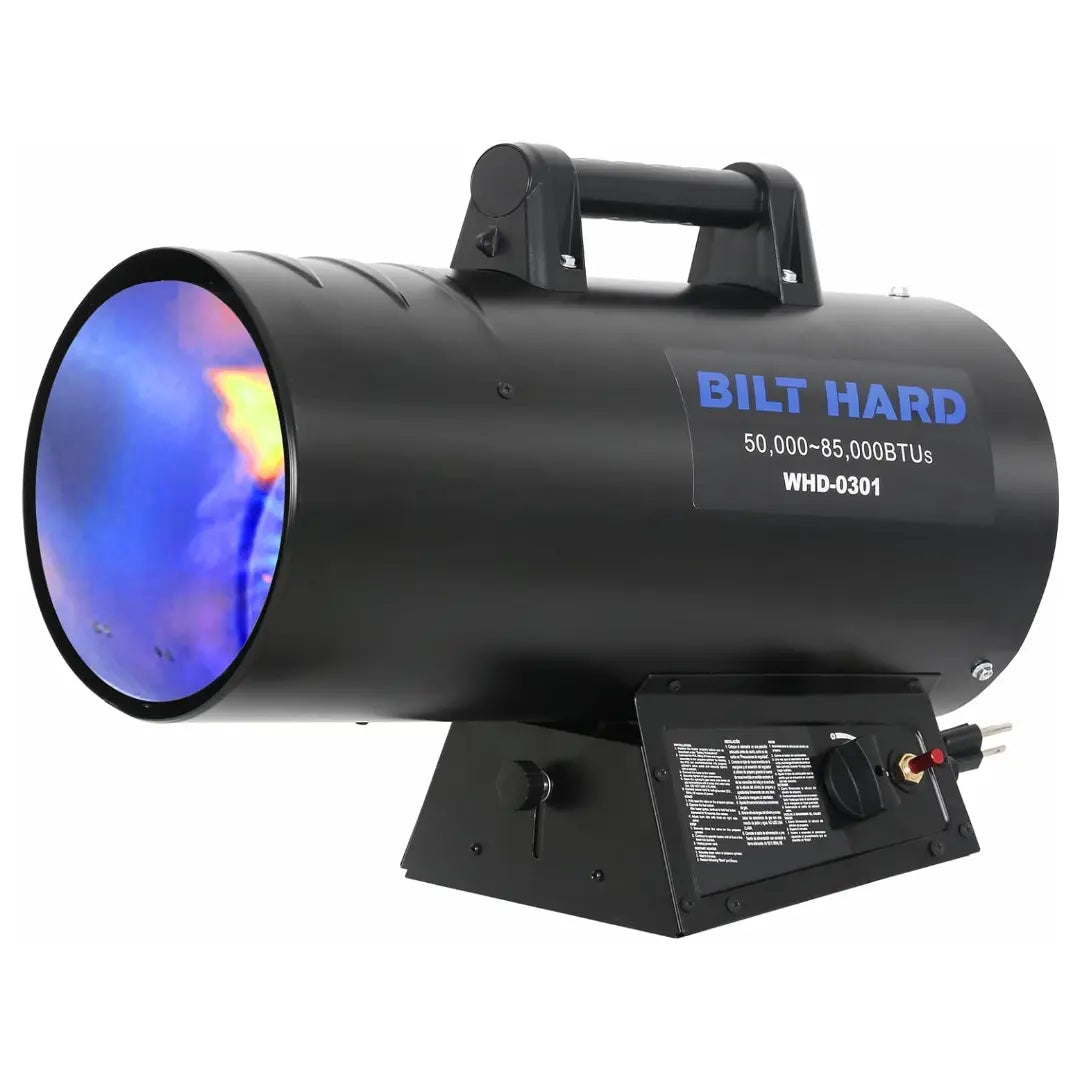
Forced air heaters warm up spaces quickly and efficiently. They use a simple process to move warm air through your home or room. Understanding how they work helps in using them safely.
The system starts by heating air. This warm air is then pushed through ducts or vents by a fan. The air flows out and raises the room temperature. This method spreads heat evenly and fast.
Heating Element Or Burner
The heater has a heating element or burner inside. It creates heat by burning fuel or using electricity. This heat warms the air as it passes over or near the element. The type of fuel affects the heat source.
Blower Fan
A blower fan moves the warm air through the system. It pushes air into ducts or directly into the room. The fan helps spread heat quickly and keeps air flowing. Without the fan, warm air would stay near the heater only.
Ductwork And Vents
Ducts carry warm air to different rooms. Vents release the warm air into living spaces. This setup helps heat many rooms at once. Proper ductwork keeps the air flow smooth and efficient.
Thermostat Control
The thermostat controls the heater’s temperature. It turns the system on or off to keep the room warm. This control saves energy and keeps the heat steady. The thermostat helps avoid overheating or wasting fuel.
Common Risks With Forced Air Heaters
Forced air heaters provide quick warmth but carry some risks. Understanding these risks helps keep your home safe. Many problems come from poor maintenance or incorrect use. Awareness and care can reduce most dangers.
Fire Hazards
Forced air heaters use heat and air flow. Dust or debris can catch fire if near the heater. Flammable items too close increase the fire risk. Regular cleaning and space around the heater prevent fires.
Carbon Monoxide Poisoning
Some forced air heaters use gas or fuel. They can produce carbon monoxide, a deadly gas. Poor ventilation or leaks cause gas to build up. Installing detectors and checking vents reduce this risk.
Electrical Issues
Electric forced air heaters need proper wiring. Old or damaged cords can cause shocks or fires. Overloading outlets is dangerous. Use proper outlets and inspect cords regularly.
Air Quality Problems
Heaters can blow dust and allergens around. Dirty filters make this worse. Poor air quality can cause breathing problems. Change filters often and clean vents to improve air.
Burns And Injuries
Heater surfaces get hot during use. Touching them can cause burns, especially for children. Keep heaters out of reach and use safety guards if possible.
Signs Of Unsafe Heater Operation
Forced air heaters are common in homes and workplaces. They provide quick warmth but must work safely. Recognizing signs of unsafe heater operation helps prevent accidents and damage. Watch for unusual sounds, smells, and performance changes.
Knowing these signs keeps your space safe and warm without risks. Early detection saves money on repairs and avoids health hazards.
Unusual Noises From The Heater
Strange sounds like banging, rattling, or squealing can signal trouble. These noises may mean loose parts or blocked vents. Ignoring sounds can cause bigger problems or breakdowns.
Strange Odors Or Burning Smell
A burning smell or odd odors near the heater are warning signs. Dust burning is normal briefly after starting. Persistent smells or strong odors can indicate overheating or electrical issues.
Uneven Or Weak Airflow
Weak or uneven air coming from vents shows possible clogs or fan problems. Poor airflow reduces heater efficiency and may cause overheating. Check filters and vents regularly to avoid this issue.
Frequent Cycling Or Short Runs
The heater turning on and off often signals a problem. This short cycling wastes energy and stresses parts. It may point to thermostat or airflow issues needing attention.
Visible Damage Or Rust
Look for rust, cracks, or leaks on the heater body. Visible damage weakens the heater and can cause leaks or fires. Regular inspection helps catch these signs early.
Proper Installation Practices
Proper installation is key to the safe use of forced air heaters. It helps prevent accidents and ensures the heater works well. Correct setup also extends the heater’s life and keeps your home safe from fire hazards.
Following specific installation steps can reduce risks. These steps include placing the heater in the right spot and using the proper tools. A well-installed heater provides steady heat without dangers.
Choosing The Right Location
Place the heater away from flammable materials like curtains or furniture. The area should have good airflow to avoid overheating. Keep the heater on a flat, stable surface to prevent tipping.
Using Certified Equipment
Only use parts and accessories approved for your heater model. Certified equipment meets safety standards and fits correctly. Avoid using damaged or worn-out components during installation.
Following Manufacturer Instructions
Read the heater’s manual carefully before starting installation. The manual guides you through each step with clear instructions. Follow the safety warnings and recommendations strictly to avoid problems.
Hiring A Professional Installer
Consider hiring a certified technician for installation. Professionals know safety codes and proper setup methods. They can spot potential issues and fix them early.
Maintenance Tips For Safety
Proper maintenance is key to keeping forced air heaters safe. Regular care helps prevent accidents and improves heater performance. Simple steps can avoid dangerous situations and extend the heater’s life.
Taking time for maintenance also saves money on repairs. It ensures the heater works efficiently and keeps your home warm without risks. Follow these tips to maintain your forced air heater safely.
Check And Clean Air Filters Regularly
Dirty filters block airflow and make the heater work harder. Clean filters improve air quality and reduce fire risk. Check filters every month during use and replace if needed.
Inspect Vents And Ducts For Blockages
Blocked vents stop warm air from circulating properly. Clear vents and ducts keep air flowing and prevent overheating. Look for dust, debris, or nests and remove them carefully.
Test Carbon Monoxide Detectors Often
Forced air heaters can produce carbon monoxide if not working well. Test your detectors monthly to catch leaks early. Replace batteries and sensors as per the manufacturer’s advice.
Schedule Professional Heater Inspections
Experts spot hidden issues and fix them before they cause harm. Arrange a checkup at least once a year. Professionals clean parts, check safety controls, and tune the system.
Keep The Area Around The Heater Clear
Flammable materials near the heater can cause fires. Maintain a safe zone around the unit, free from clutter. This simple step reduces fire hazards significantly.
Safe Usage Guidelines
Forced air heaters work safely when placed away from flammable materials. Always ensure proper ventilation to avoid harmful gas buildup. Regular maintenance keeps these heaters running smoothly and safely.
Read The Manufacturer’s Instructions
Start by reading the heater’s manual carefully. It has key safety tips and operation rules. Follow these instructions exactly to avoid accidents. Each model may have special needs.
Keep Clear Space Around The Heater
Leave at least three feet of empty space around the heater. Do not place it near curtains, furniture, or paper. This reduces fire risks and allows good air flow.
Use Proper Ventilation
Forced air heaters need fresh air to work safely. Open a window or door slightly to let air in. This prevents harmful gases from building up indoors.
Never Leave The Heater Unattended
Turn off the heater if you leave the room or go to sleep. Unattended heaters can cause fires or burns. Always watch the heater while it runs.
Check For Damage Regularly
Inspect the heater and its cord often. Look for cracks, frayed wires, or other damage. Fix or replace damaged parts before using the heater again.
Use The Heater On A Stable Surface
Place the heater on a flat, hard surface to avoid tipping. Do not use it on carpets or uneven floors. A stable base helps prevent falls and accidents.
Install Smoke And Carbon Monoxide Detectors
Install detectors near heater locations. These devices alert you to smoke or gas leaks. Test them monthly and change batteries yearly for safety.
Choosing The Right Heater
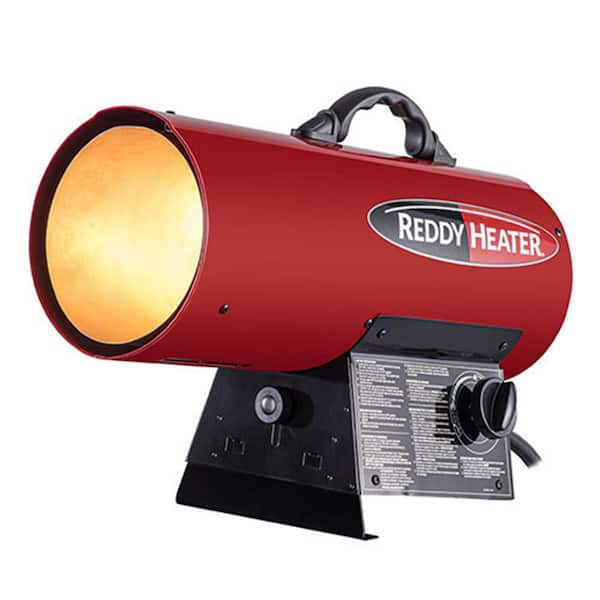
Choosing the right forced air heater is important for safety and comfort. A good heater warms your space well and keeps risks low. Not all heaters work the same. Some are better for small rooms, others for large areas.
Think about the size of the room and how long you will use the heater. Also, check the heater’s safety features. These help prevent accidents and keep your home safe.
Consider Heater Size And Power
Pick a heater that matches the room size. A small heater may not warm a big room well. Too big a heater can waste energy and cause overheating. Check the heater’s wattage and heat output before buying.
Look For Built-in Safety Features
Choose heaters with safety features like tip-over switches and overheat protection. These features shut off the heater if it falls or gets too hot. They reduce the chance of fire and burns.
Check Ventilation Needs
Some forced air heaters need proper ventilation to work safely. Make sure your room allows fresh air to enter. Poor ventilation can cause harmful gas buildup. Always follow the manufacturer’s ventilation instructions.
Choose Energy-efficient Models
Energy-efficient heaters save money and reduce energy use. Look for models with energy-saving modes or thermostats. These keep the room comfortable without wasting power. An efficient heater is better for your wallet and the planet.
Credit: www.esseg.eu
Emergency Measures And Precautions
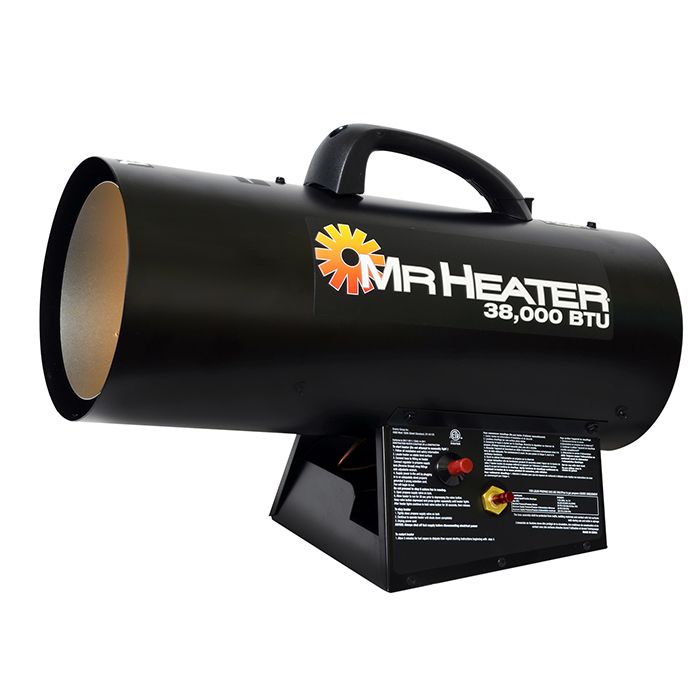
Forced air heaters provide quick warmth, but safety matters most. Knowing emergency measures and precautions helps prevent accidents. It also prepares you to act fast if trouble starts. Stay calm and follow clear steps for safety.
Recognizing Signs Of Danger
Watch for unusual smells like gas or burning. Listen for strange noises from the heater. Check for visible damage or leaks. These signs mean turn off the heater right away. Leave the area and call for help.
Turning Off The Heater Safely
Switch off the heater using the main control switch. Do not touch the heater if it feels hot. Unplug the unit if possible. Avoid using water to cool it down. Wait until it cools before moving it.
Evacuating The Area
Leave the room or building quickly but calmly. Close doors behind you to stop fire spread. Do not stop to collect belongings. Call emergency services from a safe place. Wait for professionals to arrive.
Using Fire Extinguishers
Only use a fire extinguisher if trained and safe. Choose the right type for electrical or gas fires. Aim at the fire base, not flames. Stand at a safe distance and move closer carefully. Stop if the fire grows larger.
Preventing Future Emergencies
Check your heater regularly for damage or wear. Install carbon monoxide detectors near heating units. Keep the area around the heater clear of flammable items. Follow the manufacturer’s safety instructions strictly. Schedule professional maintenance yearly.
Credit: www.gmdckalakote.in
Frequently Asked Questions
Are Forced Air Heaters Safe To Use Indoors?
Forced air heaters are generally safe indoors if used correctly. Proper ventilation and regular maintenance reduce risks of carbon monoxide buildup. Always follow manufacturer instructions for safe use.
Can Forced Air Heaters Cause Carbon Monoxide Poisoning?
Yes, improper use or poor ventilation can cause carbon monoxide poisoning. Installing a carbon monoxide detector near the heater is crucial for safety. Regular inspection ensures no leaks or blockages.
How Often Should Forced Air Heaters Be Serviced?
Forced air heaters should be serviced at least once a year. Annual maintenance helps spot problems early and keeps the heater running safely. Clean filters and ducts improve efficiency too.
What Safety Features Do Forced Air Heaters Have?
Most forced air heaters include safety features like automatic shut-off and tip-over switches. These features help prevent fires and accidents. Check your model’s safety specifications before use.
Is It Safe To Leave A Forced Air Heater On Overnight?
Leaving a forced air heater on overnight can be risky without supervision. Always use heaters with automatic shut-off features for overnight use. Keep the heater away from flammable materials.
Can Forced Air Heaters Cause Fires?
Forced air heaters can cause fires if placed near flammable objects or used improperly. Maintain a safe distance from curtains, furniture, and papers. Regular cleaning prevents dust buildup, which can ignite.
Conclusion
Forced air heaters can be safe when used correctly. Regular maintenance keeps them working well. Always follow the manufacturer’s safety rules. Keep the area around the heater clear and clean. Install carbon monoxide detectors for added safety. Watch for signs of problems, like strange smells or noises.
Quick action can prevent accidents. Heating your home safely matters most. Stay warm, stay safe.