
Have you ever wondered where the air your heater uses actually comes from? You might think your heater simply warms the air already inside your home, but the truth can be more surprising.
Understanding if heaters pull air from outside can help you improve your home’s comfort and energy efficiency. Keep reading to uncover how your heater works and what it means for your indoor air quality and heating bills. This insight could change the way you think about heating your space.
How Heaters Work
Heaters keep indoor spaces warm by producing heat. They change energy into heat to raise room temperature. Different heaters use different methods to create warmth. Understanding how they work helps you choose the right one for your needs.
Types Of Heaters
There are several types of heaters. Some use electricity, others burn fuel like gas or oil. Electric heaters heat metal coils or ceramic plates. These then warm the air around them. Gas heaters burn natural gas or propane to create heat. Radiant heaters send heat directly to objects and people. Convection heaters warm the air, which then moves through the room.
Air Circulation Basics
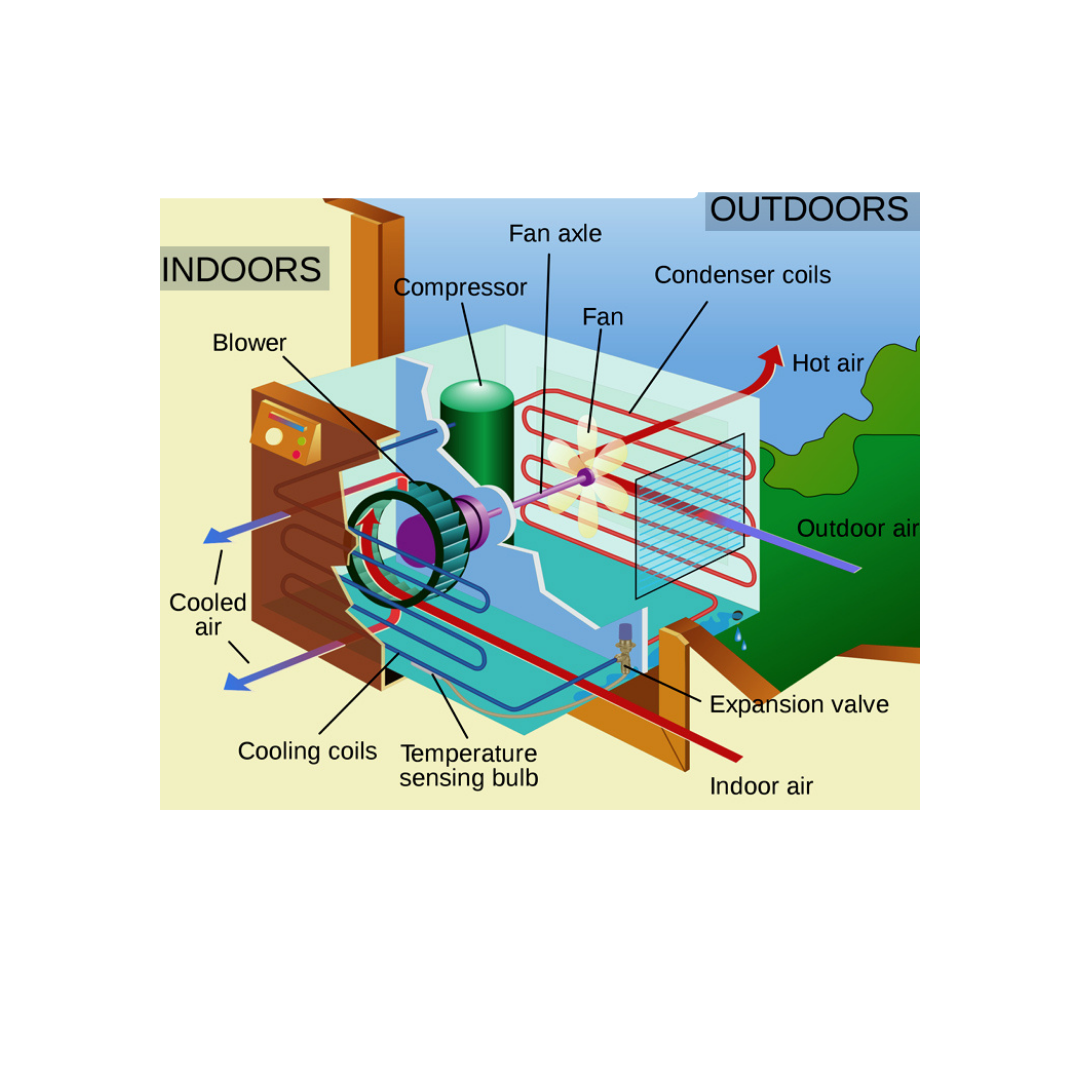
Heaters rely on air movement to spread warmth. Warm air rises and cooler air falls, creating a cycle. This cycle moves heat around the room. Some heaters pull air from inside your home. Others may bring in fresh air from outside. This fresh air helps keep the room from feeling stuffy. Fans inside heaters help push warm air out quickly. Proper air circulation makes heating more efficient and comfortable.

Credit: www.bryant.com
Air Intake Sources
Heaters need air to work well. The air can come from inside your home or from outside. Knowing where the air comes from helps understand how heaters affect air quality and temperature.
Indoor Air Usage
Many heaters use air from inside the room. They pull the warm air, heat it, and push it back. This method keeps the air inside, so it stays warm longer. It also means the heater does not need extra air from outside. But, using only indoor air can make the room feel stuffy if there is poor ventilation.
Outside Air Intake Systems
Some heaters bring fresh air from outside. This helps improve air quality by adding oxygen and removing stale air. These systems use vents or ducts to pull air from outdoors. They mix outdoor air with indoor air to keep the room fresh. This method can lower humidity and reduce odors. It is common in newer or larger heating systems.
Ventilation And Heater Efficiency
Ventilation plays a key role in heater efficiency. How a heater pulls air affects its performance and energy use. Some heaters use air from inside the room, while others draw air from outside. This difference changes how well the heater works and how much energy it needs.
Understanding the types of heaters and their ventilation helps you choose the right one for your space. It also helps reduce energy waste and keeps your home comfortable.
Sealed Vs. Ventilated Heaters
Sealed heaters do not use indoor air for combustion. They take air from outside through a vent. This keeps indoor air clean and prevents oxygen loss. Sealed heaters are safer and better for air quality. Ventilated heaters use indoor air for burning fuel. They need good room ventilation to avoid harmful gases buildup. Sealed heaters often work better in tight spaces.
Impact On Energy Consumption
Heaters that pull air from outside may lose some heat. Cold outdoor air can reduce efficiency. Sealed heaters reduce heat loss by isolating combustion air. Ventilated heaters can cause warm indoor air to escape. This makes the heater work harder and use more energy. Choosing the right heater and ventilation system saves money on bills and keeps your home warm.
Credit: servicegenius.com
Common Myths About Heater Air Sources
Heaters are a common part of many homes during cold months. People often wonder how these devices affect the air inside. Several myths exist about where heaters get their air. These myths can cause confusion and worry. Clearing up these ideas helps you understand your heater better.
Do Heaters Bring In Cold Air?
Many think heaters pull cold air from outside. This is not true for most home heaters. Most heaters use the air already inside your home. They warm this indoor air and circulate it. Some systems, like heat pumps, may bring in outside air but warm it first. So, heaters do not usually bring cold air directly inside.
Effect On Indoor Air Quality
People worry heaters might lower indoor air quality. Heaters do not create fresh air but move existing air. Without good ventilation, air can feel stuffy. Some heaters have filters that clean dust and particles. Regular maintenance keeps these filters working well. Proper use of heaters does not harm air quality.
Improving Heater Performance
Improving heater performance helps keep your home warm and saves energy. Small changes can make a big difference in how well your heater works. Understanding how to manage airflow and keep your heater in good shape will boost its efficiency. This also extends the heater’s life and lowers energy costs.
Proper Ventilation Practices
Heaters need air to work safely and well. Air from outside can affect heater performance. Make sure vents are clear and not blocked by furniture or dust. Use vents designed for your heater type to allow fresh air in. Avoid sealing your home too tightly. Some air must enter to keep the heater running smoothly. Proper ventilation stops carbon monoxide buildup and keeps air fresh.
Maintenance Tips
Regular maintenance keeps your heater running like new. Change or clean filters often to improve airflow. Dirty filters slow down heaters and waste energy. Check for leaks in ducts and pipes. Fixing leaks stops warm air from escaping. Schedule yearly professional checks to catch problems early. Clean heater parts to remove dust and debris. Well-maintained heaters use less energy and keep your home cozy.
Credit: envigaurd.com
Frequently Asked Questions
Do Heaters Take Air From Outside Or Inside?
Most heaters pull air from inside your home to warm it. They do not usually bring in outside air unless designed to ventilate.
How Does A Heater Affect Indoor Air Quality?
Heaters can reduce air moisture, making rooms feel dry. Proper ventilation helps keep air fresh and healthy.
Can Heaters Cause Air Pollution Indoors?
Standard heaters do not cause pollution if they burn fuel correctly. Poorly maintained heaters may release harmful gases inside.
Do Electric Heaters Need Fresh Air From Outside?
Electric heaters do not need outside air. They warm the air already in the room without any air exchange.
Why Do Some Heaters Have Vents To The Outside?
Vented heaters use outside air for combustion and release gases outside. This keeps indoor air safe and clean.
Does Using A Heater Increase Indoor Dust And Allergens?
Heaters can stir up dust if filters are dirty. Regular cleaning helps reduce dust and allergens in heated rooms.
Conclusion
Heaters usually do not pull air from outside directly. They warm the air already inside your home. Some systems may use outside air for ventilation. But most common heaters recycle indoor air to save energy. This helps keep your home warm and cozy.
Understanding how your heater works can improve comfort. Keep your heating system well maintained for best results. This way, you stay warm without wasting energy. Simple knowledge can make a big difference in heating.