
Have you ever wondered if the backup heater in your air conditioner runs on DC or AC power? Understanding this can help you make smarter choices about energy use, efficiency, and even your electricity bills.
Whether you’re trying to troubleshoot, upgrade your system, or just curious about how your air conditioner works, knowing the type of current powering your backup heater is key. Keep reading to discover the answer and how it impacts your comfort and costs.

Credit: invertersrus.com
Air Conditioner Backup Heater Basics
Air conditioner backup heaters provide extra warmth when temperatures drop. They help keep your home comfortable during cold weather. These heaters work alongside your main HVAC system. Understanding how they operate helps you maintain your heating system better. Let’s explore the basics of backup heaters and their role in air conditioning systems.
Types Of Backup Heaters
There are two main types of backup heaters. Electric resistance heaters use electric current to create heat. They are simple and fast to provide warmth. Another type is gas backup heaters. These use natural gas or propane to generate heat. Both types support your main heat pump during cold days. Choosing the right type depends on your home’s setup and energy needs.
Role In Hvac Systems
Backup heaters help your HVAC system work efficiently in cold weather. Heat pumps struggle to keep warm when it is very cold outside. Backup heaters turn on to provide extra heat. They prevent your home from becoming too cold. This keeps your indoor temperature steady and comfortable. Backup heaters also protect the HVAC system from overworking.
Ac Vs Dc Operation Explained
Understanding how air conditioner backup heaters work means knowing about AC and DC operation. These two types of electrical current affect the heater’s function and efficiency. This section breaks down the key differences between AC and DC operation in simple terms.
Characteristics Of Ac Operation
AC stands for alternating current. The electric flow changes direction many times each second. Most homes use AC power from the grid. Backup heaters running on AC are common and easy to connect. They usually run quietly and steadily. AC heaters handle large loads well. But they can waste energy during power conversion. Their parts often last longer due to simple design.
Characteristics Of Dc Operation
DC means direct current. The electric flow moves in one direction only. Many modern heaters use DC for better control and efficiency. DC backup heaters can adjust power smoothly. This helps save energy and keeps temperature steady. They often pair with solar panels or batteries. DC heaters may cost more but lower electricity bills. Their electronic parts can wear out faster than AC types.
Common Backup Heater Designs
Backup heaters in air conditioners keep your space warm during cold weather. They activate when the main heating system cannot meet the temperature demand. Several designs exist to provide reliable heat. Each type uses different technology and power sources. Understanding these common backup heater designs helps you choose the right system.
Electric Resistance Heaters
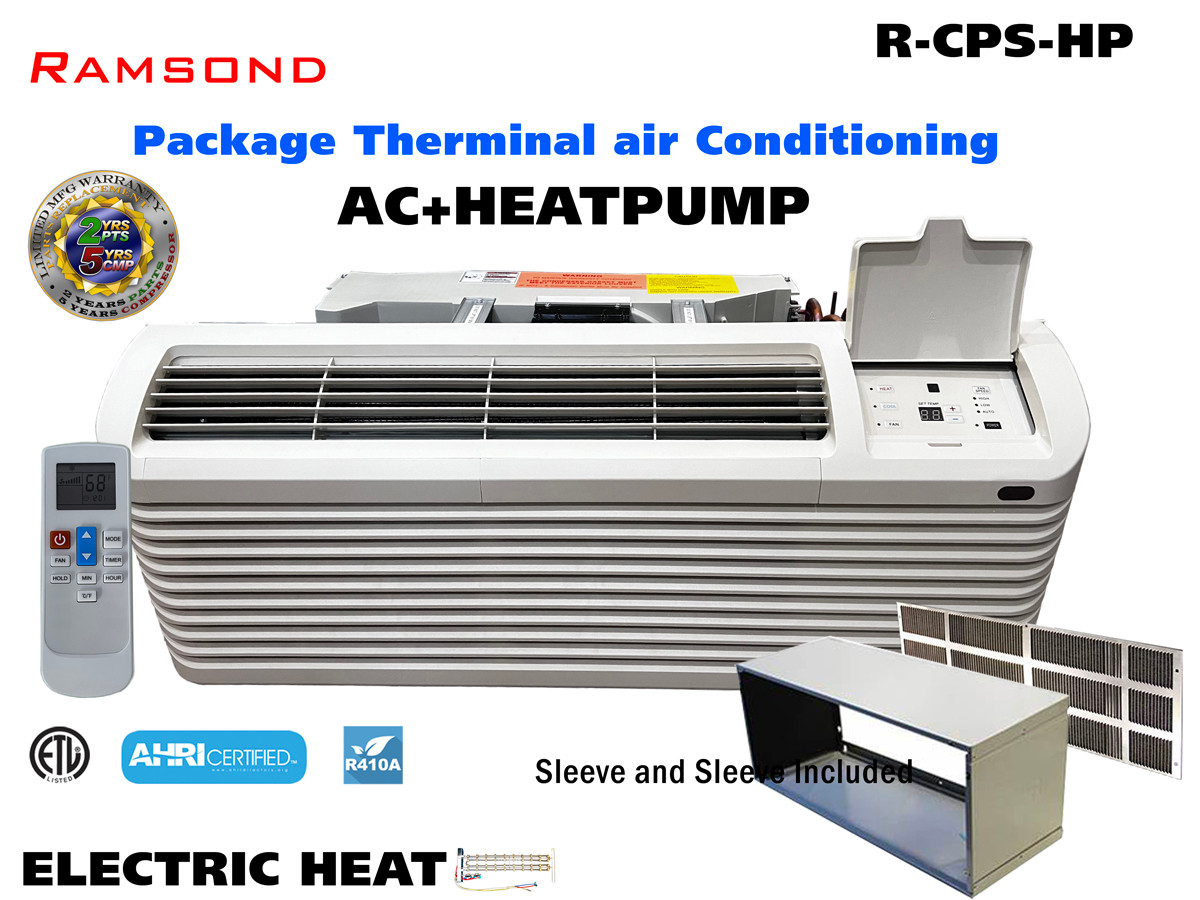
Electric resistance heaters use electricity to create heat. They have metal coils that warm up when current passes through. This heat transfers to the air blown by the air conditioner. These heaters operate on AC power from your home’s electrical supply. They provide quick and direct heat. The design is simple and easy to maintain.
Heat Pump Backup Heaters
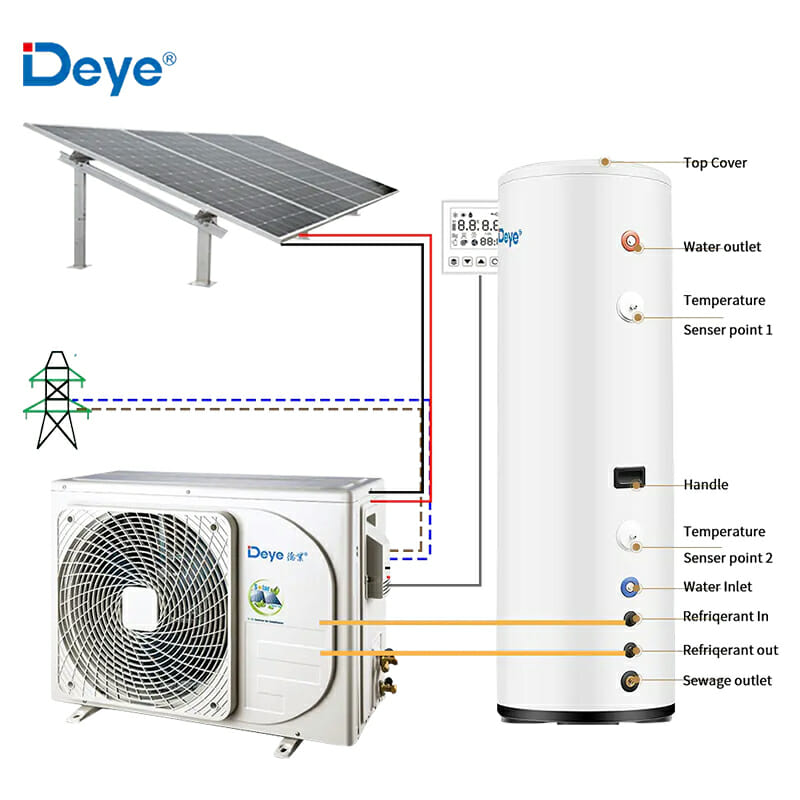
Heat pump backup heaters use a refrigeration cycle to produce heat. They extract heat from outside air even in low temperatures. When the heat pump alone cannot keep up, the backup heater activates. This heater often uses electric resistance elements. It works on AC power and supports the main heat pump. This design improves energy efficiency and comfort.
Credit: deye.com
Power Source For Backup Heaters
The power source for backup heaters in air conditioners plays a crucial role in their operation. Backup heaters ensure warmth when the main heating system cannot meet the demand. Understanding whether these heaters use AC or DC power helps in choosing the right system for your needs. Both AC and DC power sources have specific uses and benefits in backup heating systems.
How Ac Powers Heaters
Most backup heaters in air conditioners run on AC power. This is because homes and buildings typically supply AC electricity. The heater converts this AC power into heat efficiently. AC power allows the heater to work directly with the main electrical system without extra components. This makes the backup heater simple and reliable.
When Dc Is Used
Some backup heaters use DC power, especially in systems with batteries or solar panels. DC power comes from sources like batteries, which store energy for use when AC power is unavailable. In these cases, the heater includes a converter to change DC into heat safely. DC-powered heaters are common in off-grid or energy-saving air conditioning setups.
Efficiency Considerations
Efficiency matters a lot in air conditioner backup heaters. These heaters help when the main heat source is not enough. Understanding how they use energy and perform can save money and power. It also helps choose the right heater for your needs.
Energy Consumption
Backup heaters can run on DC or AC power. DC heaters often use less energy. They convert power more directly, which means less waste. AC heaters may use more electricity because they need extra parts to work. Watching energy use helps lower electricity bills. Picking a heater with good energy ratings is smart.
Performance Impact
How well a backup heater works depends on its power type. DC heaters heat up faster and keep a steady temperature. AC heaters can be slower and less consistent. A steady heat means less on and off cycling. This saves energy and keeps rooms comfortable. The right choice improves heater life and reduces running costs.
Installation And Compatibility
Installing a backup heater with an air conditioner requires careful attention. Compatibility between the heater and AC unit is key. Proper installation ensures the system works efficiently and safely. Understanding the electrical operation, whether DC or AC, helps avoid problems.
Matching Backup Heaters With Ac Units
Select a backup heater that matches the AC unit’s voltage and power needs. Check the heater’s specifications to fit the air conditioner model. Some heaters work only with specific AC types. Using the wrong heater can cause damage or reduce performance. Always verify the heater’s design suits your AC unit.
Wiring And Control Systems
Backup heaters often connect to the AC’s control system. Wiring must follow the manufacturer’s instructions closely. Correct wiring prevents electrical faults and ensures the heater activates at the right time. Some heaters run on DC power, others on AC power. Knowing the type helps match the wiring and controls properly.
Troubleshooting Backup Heater Issues
Backup heaters in air conditioners help keep your home warm during cold days. Sometimes, these heaters stop working or don’t work well. Troubleshooting backup heater issues can save money and keep your home comfortable. Understanding common problems and following maintenance tips helps fix many issues quickly.
Common Problems
Backup heaters may fail to turn on or produce enough heat. Faulty wiring or blown fuses cause power loss. Thermostat problems can stop the heater from running. Dirty or blocked filters reduce heat output. A broken fan motor may prevent warm air from circulating. Sometimes, the heater’s safety switch trips due to overheating. These problems often cause the heater to stop working or work poorly.
Maintenance Tips
Regular cleaning of filters keeps airflow strong. Check wiring and fuses for damage or loose connections. Test the thermostat to ensure it reads the correct temperature. Clean the heater’s coils and fans to remove dust buildup. Inspect the safety switch and reset it if needed. Schedule yearly professional checks to spot hidden issues early. Simple maintenance extends the life of backup heaters and improves performance.
Future Trends In Backup Heater Technology
Backup heaters for air conditioners are evolving fast. New technology aims to make them more efficient and easier to control. These changes will help save energy and reduce costs. They also improve comfort during cold weather. Understanding these trends helps in choosing the right backup heater for your needs.
Advances In Dc Heating Elements
DC heating elements are becoming more common in backup heaters. They use direct current to produce heat quickly and with less energy. This makes them more efficient than older AC models. DC heaters also have longer lifespans and fewer maintenance needs. They fit well with solar power and battery systems too. These features make DC heaters a smart choice for future HVAC systems.
Integration With Smart Hvac Systems
Smart HVAC systems can now control backup heaters automatically. They use sensors and apps to monitor temperature and energy use. This allows the heater to turn on only when needed. Smart systems adjust heat levels based on weather and room size. Users can also control heaters remotely from their phones. This integration improves comfort and lowers energy bills.
Credit: www.ramsond.com
Frequently Asked Questions
Are Air Conditioner Backup Heaters Powered By Dc Or Ac?
Air conditioner backup heaters usually run on AC power. They connect directly to your home’s main electrical supply. This setup ensures reliable heating during cold weather.
Can Backup Heaters Work With Dc Power Sources?
Most backup heaters are not designed for DC power. They need AC electricity to function properly. Using DC may damage the heater or cause it to fail.
Why Do Backup Heaters Prefer Ac Over Dc Operation?
AC power is standard in homes and easy to supply. Backup heaters are built to match this common power type. DC power sources are less common and less stable for heating.
How Does Ac Operation Benefit Air Conditioner Backup Heaters?
AC power allows efficient and consistent heating performance. It supports the heater’s internal components effectively. This ensures steady warmth when needed most.
Are There Any Backup Heaters Designed Specifically For Dc?
Yes, some specialized heaters work on DC power. These are mostly used in off-grid or solar-powered systems. They are less common in typical home air conditioners.
What Happens If A Backup Heater Uses The Wrong Power Type?
Using the wrong power can cause heater failure or damage. It may also create safety hazards like electrical shorts. Always match your heater to the recommended power source.
Conclusion
Air conditioner backup heaters mostly run on AC power. This matches home electrical systems for easy use. Some models use DC, especially in special setups. Knowing the type helps with installation and repairs. It also saves energy and money in the long run.
Choose the right heater for your system’s needs. This keeps your home warm and comfortable. Simple knowledge makes a big difference in comfort. Stay informed to make smart heating choices.