
Have you ever wondered if your home heater is harming the environment? The way you keep your house warm could have a bigger impact than you think.
Understanding how air systems like heaters affect the planet can help you make smarter choices for your comfort and the earth. Keep reading to discover surprising facts that might change how you use your heating system—and what simple steps you can take to protect the environment without sacrificing warmth.
Environmental Impact Of Home Heaters
Home heaters are common in many households. They keep us warm during cold months. Yet, they also affect the environment in several ways. Understanding their impact helps us make better choices.
Heating systems consume energy and release emissions. These effects influence air quality and climate change. Let’s explore the environmental impact of home heaters in detail.
Carbon Emissions From Heating Systems
Many home heaters burn fossil fuels like natural gas or oil. Burning these fuels releases carbon dioxide (CO2). CO2 is a greenhouse gas that traps heat in the atmosphere.
Higher carbon emissions contribute to global warming. Electric heaters may produce less direct CO2 if powered by clean energy. However, coal or gas power plants still emit carbon to generate electricity.
Energy Consumption Patterns
Heating systems use a lot of energy during winter. This high energy demand increases the use of power plants. Most power plants rely on fossil fuels that harm the environment.
Energy-efficient heaters reduce electricity use. Lower consumption means fewer fossil fuels burned and less pollution. Choosing the right heater can save energy and protect the environment.
Air Quality And Indoor Pollution
Some heaters release harmful pollutants inside homes. Gas heaters can emit nitrogen dioxide and carbon monoxide. These gases lower indoor air quality and affect health.
Electric heaters do not produce indoor pollution directly. Proper ventilation and regular maintenance reduce risks from heating systems. Clean air improves comfort and well-being at home.
Types Of Home Heating Systems
Home heating systems come in various types. Each type uses different energy sources. These systems affect the environment in different ways. Understanding the types helps you see their impact clearly.
Some heaters burn fossil fuels. Others run on electricity. Newer options use renewable energy. Let’s explore these types to learn more.
Fossil Fuel-based Heaters
Fossil fuel heaters burn natural gas, oil, or coal. They produce heat by burning these fuels. This process releases carbon dioxide into the air. CO2 is a greenhouse gas that warms the planet. These heaters often cause air pollution too. Many homes still use these systems because they are common and affordable.
Electric Heaters
Electric heaters use electricity to create heat. They do not burn fuel directly. This means no smoke or fumes in the home. Their environmental impact depends on how electricity is made. If power comes from coal plants, pollution is high. If power is from clean sources, electric heaters are cleaner. They are easy to install and use.
Renewable Energy Heating Options
Renewable heating uses energy from nature. Examples include solar heaters and heat pumps. These systems use sunlight, air, or ground heat. They produce little to no pollution. Renewable options reduce carbon footprints significantly. They may have higher upfront costs but save money over time. Many people choose these for a greener home.
Hidden Consequences Of Traditional Heating
Traditional heating systems, such as home heaters, often seem simple and effective. They keep homes warm during cold months. Yet, they carry hidden effects on the environment that many do not notice. These effects go beyond just energy use and affect the planet in several serious ways.
Greenhouse Gas Contributions
Many traditional heaters burn fossil fuels like gas or oil. This burning releases carbon dioxide and other greenhouse gases. These gases trap heat in the atmosphere. This process warms the Earth and changes our climate. Even small heaters add up to a large amount of emissions worldwide.
Resource Depletion
Fossil fuels are limited resources. They take millions of years to form. Using these fuels quickly drains the Earth’s supply. Extracting these fuels also harms nature. Forests, water, and land suffer from mining and drilling. This damage reduces biodiversity and harms ecosystems.
Long-term Environmental Costs
Heating systems can cause pollution beyond just emissions. Old heaters may leak harmful chemicals. Waste from used parts often ends in landfills. The production of heaters also uses energy and raw materials. These factors add to the long-term cost to the environment.

Credit: thefurnaceoutlet.com
Energy Efficiency And Its Role
Energy efficiency plays a key role in reducing the environmental impact of home heating systems. Using energy wisely lowers fuel consumption and cuts greenhouse gas emissions. Small changes in how heat is managed can lead to big savings and less harm to the planet.
Improving energy efficiency means less energy wasted. This helps the environment by lowering the demand for fossil fuels. It also saves money on heating bills. Many ways exist to boost efficiency, from better insulation to smarter technology.
Insulation And Heat Retention
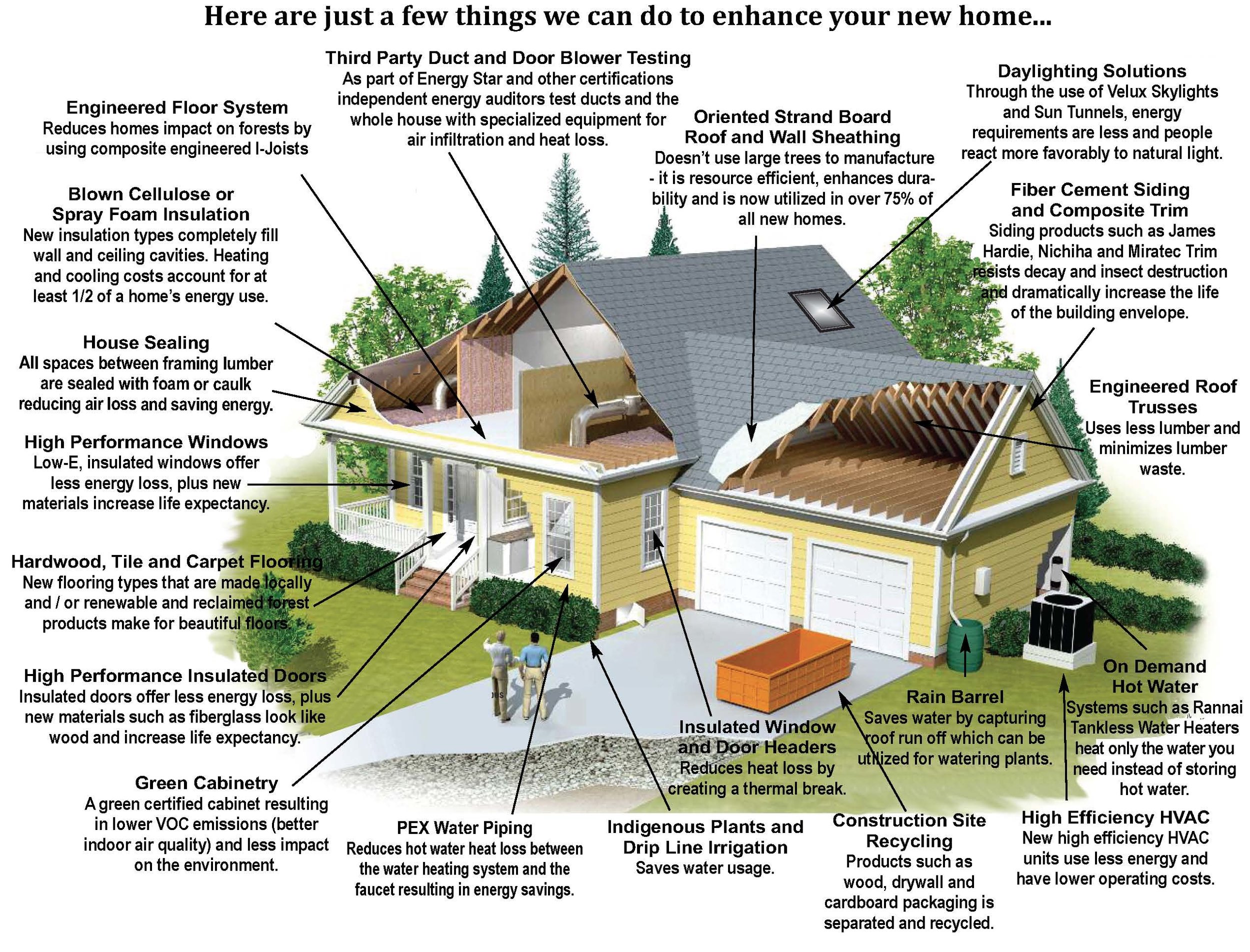
Good insulation keeps heat inside the home. Walls, roofs, and floors with proper insulation stop warm air from escaping. This means heaters run less often and use less energy. Sealing gaps around doors and windows also helps keep heat in. Better heat retention means less fuel burned and fewer emissions released.
Smart Thermostats And Controls
Smart thermostats adjust heating based on your schedule. They lower heat when you sleep or leave the house. This reduces wasted energy. These devices learn your habits and keep the home comfortable with less effort. Smart controls help manage energy use more efficiently and reduce environmental impact.
Upgrading To Efficient Systems
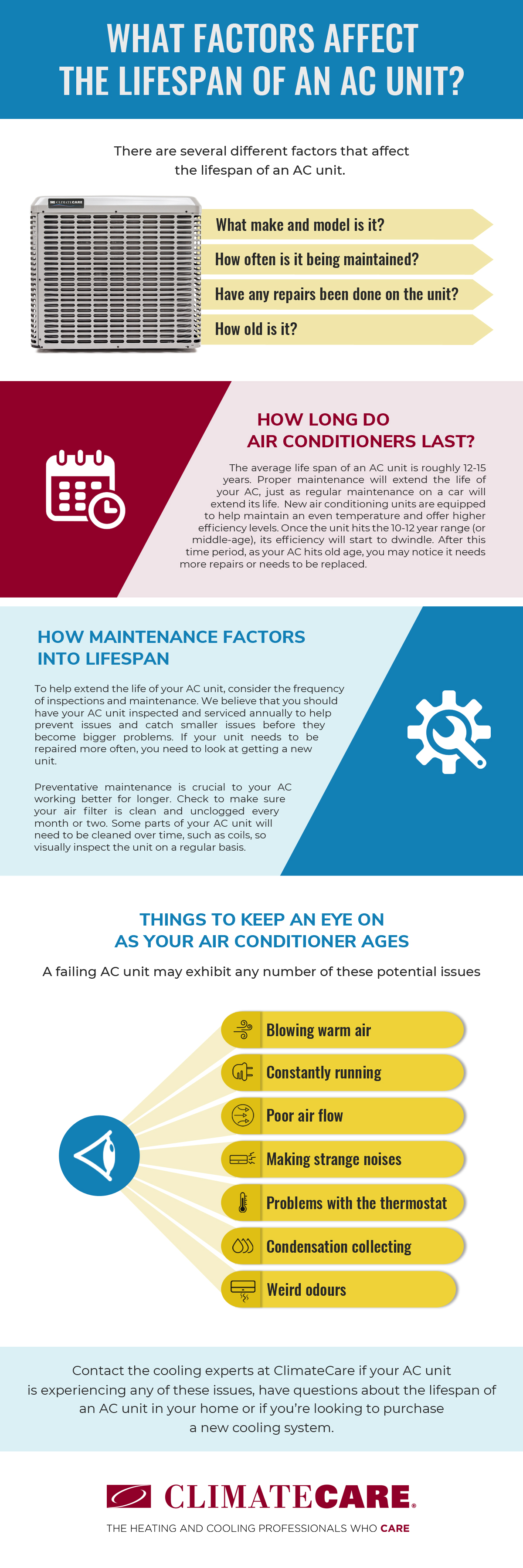
Old heaters often waste energy. Newer models use advanced technology to heat homes more efficiently. High-efficiency systems use less fuel to produce the same warmth. Switching to modern heaters can cut energy use and emissions. Regular maintenance also keeps systems running smoothly and saves energy.
Alternatives To Conventional Heating
Many people want heating systems that are better for the Earth. Conventional heaters often use fossil fuels. These fuels release harmful gases that hurt the environment. Alternatives use cleaner energy sources. They save money and reduce pollution. Here are some popular green heating options.
Heat Pumps
Heat pumps move heat from outside to inside your home. They use electricity but consume less energy than traditional heaters. Heat pumps work well in mild climates. They provide both heating and cooling. This makes them useful all year round. Their efficiency helps lower carbon emissions.
Solar Heating Systems
Solar heating uses the sun’s energy to warm your home. Solar panels collect sunlight and turn it into heat. These systems can heat water or air inside the house. Solar heating reduces the need for electricity or gas. It’s a clean and renewable option that saves money over time.
Geothermal Solutions
Geothermal heating uses the Earth’s natural heat. Pipes buried underground carry warm water or air into your home. This system works all year and stays efficient in cold weather. Geothermal solutions have low operating costs and low emissions. They offer a quiet and reliable way to heat homes.
Credit: www.climatecare.com
Consumer Choices And Environmental Impact
Consumer choices play a big role in how home heating affects the environment. Every decision about the type of heater and how it is used impacts energy use and pollution. People can help protect the planet by choosing wisely and changing daily habits. Understanding options and their effects leads to better choices and less harm to nature.
Selecting Eco-friendly Heating
Choosing heaters that use less energy helps reduce pollution. Heat pumps and solar heaters use renewable energy and save power. Electric heaters powered by green energy lower carbon emissions. Look for models with high energy ratings to save money and the environment. Small changes, like upgrading to efficient systems, make a big difference.
Behavioral Changes To Reduce Footprint
Lowering the heat by a few degrees cuts energy use significantly. Turning off heaters in empty rooms saves power. Using programmable thermostats keeps homes warm only when needed. Wearing warmer clothes indoors means less need for high heat. Simple habits reduce the energy demand and protect natural resources.
Government Incentives And Policies
Many governments offer discounts for buying eco-friendly heaters. Tax credits encourage people to replace old, wasteful systems. Rules limit the use of heaters that pollute too much. Public programs teach how to save energy at home. These policies support cleaner air and help consumers save money.
Credit: www.homesourcebuilders.com
Frequently Asked Questions
Do Home Heaters Increase Carbon Emissions?
Home heaters often burn fossil fuels, releasing carbon dioxide. This adds to greenhouse gases and climate change. Electric heaters’ impact depends on electricity source.
How Do Air Systems Affect Indoor Air Quality?
Some heaters can circulate dust and allergens. Poorly maintained systems may reduce indoor air quality. Regular cleaning helps keep air fresh and safe.
Can Energy-efficient Heaters Reduce Environmental Harm?
Energy-efficient heaters use less power, lowering emissions. They help cut energy bills and reduce pollution. Choosing the right model matters for the environment.
What Types Of Home Heating Are Eco-friendly?
Heat pumps and solar heaters use renewable energy. These options emit little or no carbon. They help protect the planet and save money.
Do Air Systems Consume A Lot Of Energy?
Older heating systems often use more electricity or fuel. Modern, efficient units consume less energy. Using thermostats wisely can also reduce energy use.
Is Heating Waste Harmful To The Environment?
Heat loss from poorly insulated homes wastes energy. This leads to more fuel use and pollution. Improving insulation can reduce environmental impact.
Conclusion
Home heaters do impact the environment through energy use and emissions. Choosing efficient systems helps reduce harm. Using renewable energy sources can lower pollution. Small changes in heating habits also make a difference. Protecting the planet starts with smart heating choices.
Every step counts toward cleaner air and healthier homes. Consider your heater’s effect on nature and act wisely.